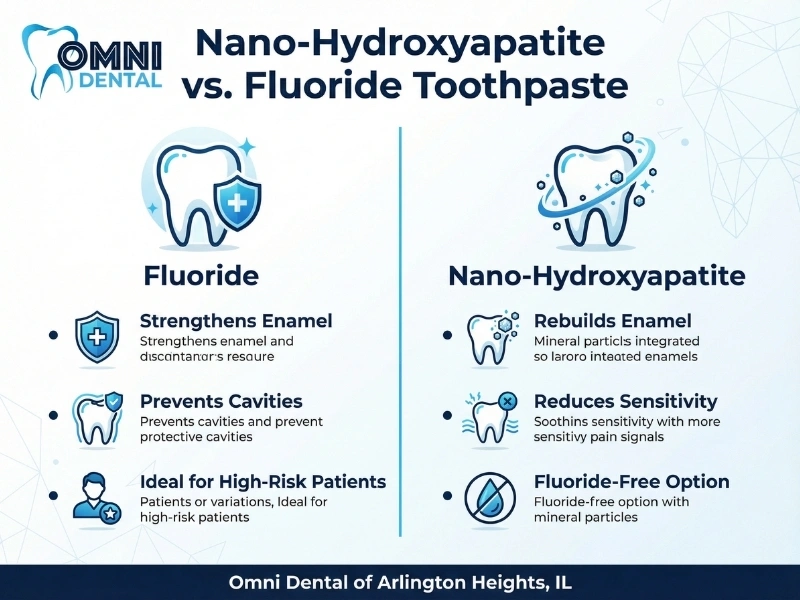
In the nano-hydroxyapatite vs fluoride toothpaste debate, both can prevent cavities, but fluoride remains the standard for people at high cavity risk. Nano-hydroxyapatite helps restore enamel using the same mineral teeth are made of and may ease sensitivity. It can suit people at low to moderate cavity risk who want a fluoride-free option.
Key Takeaways
- Fluoride toothpaste remains the standard for preventing cavities, especially for high-risk patients.
- Nano-hydroxyapatite is a synthetic form of the mineral that makes up tooth enamel.
- Some clinical trials found nano-hydroxyapatite toothpaste prevented cavities about as well as fluoride.
- Nano-hydroxyapatite may help reduce tooth sensitivity.
- Patients with frequent cavities or chronic dry mouth should usually stay with fluoride.
Estimated read: 4 min
Nano-Hydroxyapatite vs. Fluoride Toothpaste: Which One Truly Protects Your Teeth?
In the evolving world of dental care, a new challenger has emerged against the long-standing fluoride standard: nano-hydroxyapatite. Originally developed by NASA for astronauts, this naturally occurring mineral is now gaining traction in oral health products across the U.S., including right here at Omni Dental of Arlington Heights.
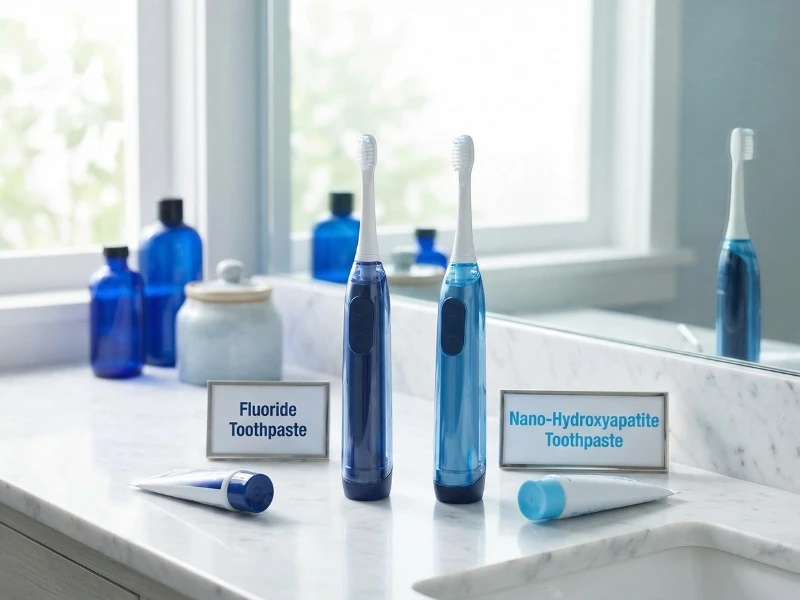
But the big question remains: When it comes to nano-hydroxyapatite vs. fluoride toothpaste, which one truly protects your teeth better?
What Is Nano-Hydroxyapatite, and Why the Buzz?
Nano-hydroxyapatite is a synthetic form of hydroxyapatite, the natural mineral that makes up nearly all of your tooth enamel. Unlike fluoride, which works indirectly by attracting calcium and phosphate from your saliva, nano-hydroxyapatite delivers these minerals directly into your enamel, helping to rebuild and restore its structure.
The “nano” part refers to particle size, tiny enough to enter microscopic lesions in enamel and begin the remineralization process at the source. This has made hydroxyapatite toothpaste particularly attractive to those seeking fluoride-free options.
What the Research Says: Fluoride vs. Nano-HAp
Recent studies are validating nano-hydroxyapatite’s effectiveness:
-
A landmark 18-month clinical trial found that fluoride and nano-hydroxyapatite toothpastes performed equally well in preventing cavities in adults.
-
A one-year pediatric study found no significant difference in caries progression between children using nano-HAp and those using fluoride toothpaste.
-
Studies also show nano-HAp reduces sensitivity faster and more effectively than some fluoride-based desensitizing pastes.
These findings suggest that nano-hydroxyapatite is not only a viable fluoride alternative, it may even offer some unique benefits, especially for those with sensitive teeth or who are at low to moderate cavity risk.
| Study / Duration | Population | Comparison | Key Finding | Takeaway |
|---|---|---|---|---|
| Clinical Trial, 18 months | Adults | Fluoride toothpaste vs. Nano-HAp toothpaste | Performed equally well for cavity prevention | Nano-HAp can be a comparable option for adult cavity protection |
| Pediatric Study, 1 year | Children | Nano-HAp toothpaste vs. Fluoride toothpaste | No significant difference in caries progression | Nano-HAp may be a viable alternative for kids under appropriate guidance |
| Sensitivity Research (multiple studies) | Sensitivity-prone users | Nano-HAp vs. some fluoride-based desensitizing pastes | Reduced sensitivity faster and more effectively in some comparisons | Nano-HAp may offer added comfort benefits, especially for sensitive teeth |
| Overall Evidence Summary | General users | Fluoride vs. Nano-HAp | Comparable cavity outcomes in cited trials, potential sensitivity advantages | Best fit for low to moderate risk users, and those prioritizing sensitivity relief |
Dentist Insights from Arlington Heights
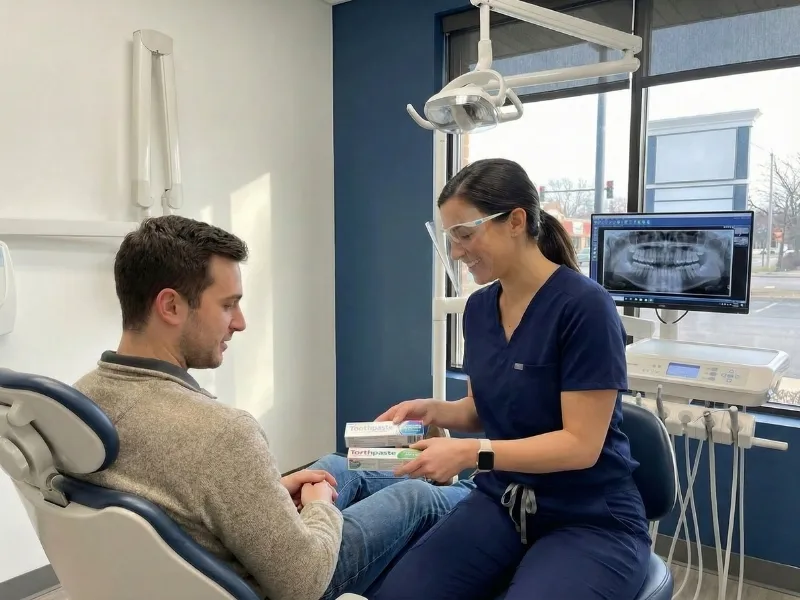
At Omni Dental, we’ve seen a noticeable uptick in patients asking about fluoride-free options. While fluoride toothpaste remains the gold standard, backed by decades of research and a strong track record in preventing tooth decay, our dentists acknowledge that nano-HAp offers promising benefits for the right patients.
We often recommend it in cases where:
-
The patient prefers a natural mineral solution
-
There’s concern over fluoride ingestion (especially in young children)
-
The patient experiences enamel sensitivity or dryness
-
Post-whitening care is needed to strengthen tooth enamel
However, for high-risk patients, such as those with multiple active cavities or chronic dry mouth, we still advise sticking with fluoride, often supplemented with professional fluoride treatments.
Safety and Long-Term Potential
One reason for nano-HAp’s growing popularity is its excellent safety profile. As a naturally occurring mineral already found in teeth and bones, it poses no toxicity concerns and is safe if accidentally swallowed.
European safety agencies have cleared nano-hydroxyapatite for use in toothpaste at concentrations up to 29.5%, well above what’s used in most products. Its protective barrier properties, ability to prevent cavities and strengthen enamel, and fluoride-free appeal make it especially suitable for children, pregnant women, and health-conscious adults.
Which One Should You Choose?
When comparing fluoride and nano-hydroxyapatite, the real answer is: it depends on you.
If you have a history of frequent cavities, fluoride toothpaste remains your best option. But if you’re cavity-free, maintain good oral hygiene, and are looking for a gentler or fluoride-free alternative, nano-HAp could be your perfect match.
The best approach? Ask your dentist. At Omni Dental of Arlington Heights, we personalize dental recommendations based on your individual oral health needs, habits, and goals. Whether you go with fluoride toothpaste or make the switch to hydroxyapatite toothpaste, what matters most is consistency, brushing twice a day, flossing, and visiting your dentist regularly.
Want a Toothpaste That Matches Your Lifestyle?
Whether you’re considering switching to nano-hydroxyapatite or sticking with fluoride, we’re here to help. Book an appointment with Omni Dental today and get professional guidance tailored to your dental goals.

About the author
Dr. Bilus D PolesDDS,MAGD,DICOI, DIDIA
Founder and lead dentist of Omni Dental of Arlington Heights. Master of the Academy of General Dentistry and Board Certified Diplomate of the ICOI and IDIA. Illinois license #019.027365.