Bruxism, or teeth grinding, wears away enamel, cracks or chips teeth, causes gum recession, and strains the jaw joint. Worn enamel cannot grow back, so knowing how bruxism impacts your teeth helps you act early. A custom-fitted night guard, combined with stress management, is the primary way to prevent further damage.
Key Takeaways
- Bruxism (teeth grinding) damages tooth enamel, causes jaw pain, and can lead to serious dental problems if left untreated.
- Both sleep bruxism and awake bruxism occur due to stress, anxiety, and sleep disorders like obstructive sleep apnea.
- Recognizing grinding sounds and morning jaw tension helps identify bruxism before permanent damage develops.
- Professional treatment including night guards, stress management, and addressing root causes prevents costly restoration.
Read time: 9 min
Whether you grind your teeth during sleep or while awake, the sections below explain how bruxism impacts your teeth, the warning signs to watch for, and the treatments that help.
What is Bruxism and Why It Happens
Bruxism is involuntary teeth clenching or grinding. The jaw muscles contract forcefully, creating pressure that damages teeth over time.
Two primary types of bruxism:
- Sleep bruxism: Occurs during sleep, often unconsciously; typically more forceful grinding
- Awake bruxism: Happens while conscious, often during stress or concentration; easier to control once recognized
Whether you grind or clench your teeth, both behaviors create significant damage over time.
Common bruxism triggers:
- Stress and anxiety: Primary driver for both sleep and awake bruxism
- Sleep disorders: Particularly obstructive sleep apnea increases grinding risk dramatically
- Caffeine and alcohol consumption before bed
- Recreational drug use (stimulants increase clenching)
- Certain medications with muscle tension side effects
- Sleep-related breathing disorders causing periods of arousal
- Misaligned teeth or abnormal bite mechanics
Understanding your specific triggers helps prevent bruxism episodes and protects your dental investment.
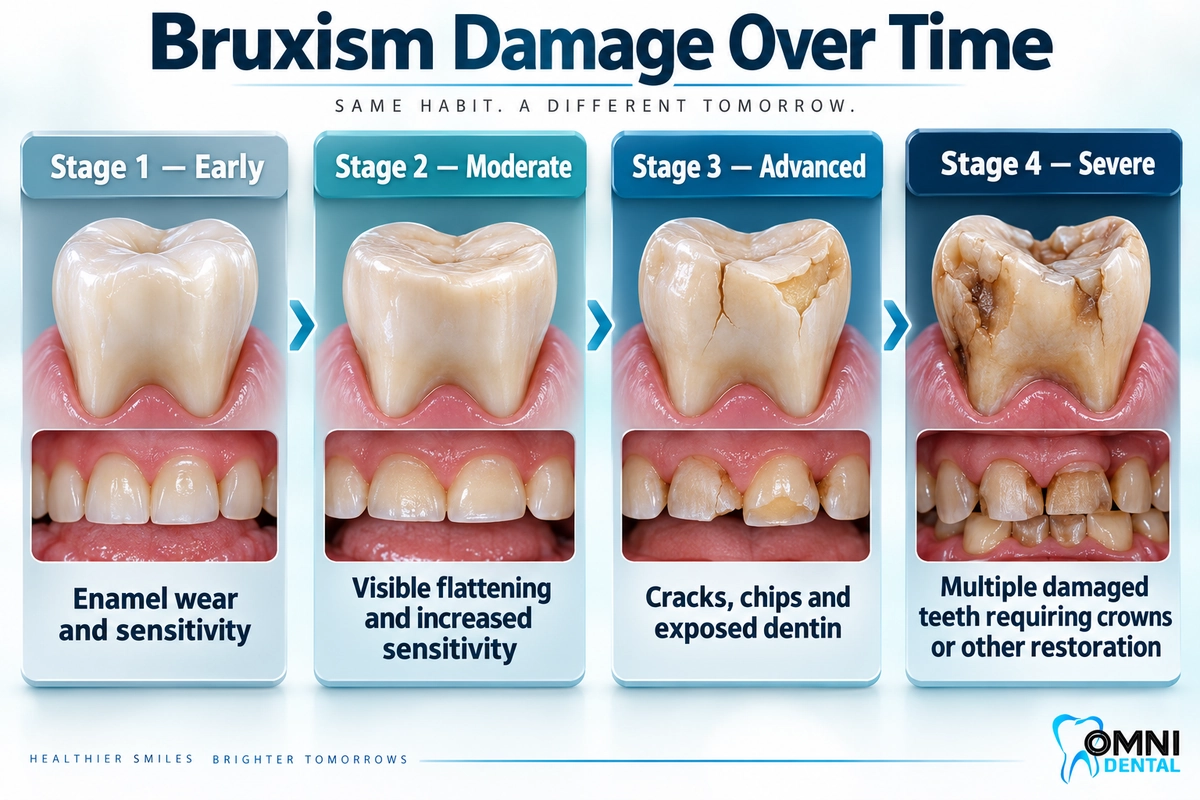
How Bruxism Damages Teeth
The grinding force generated during bruxism exceeds normal chewing pressure significantly. This repeated trauma causes progressive, permanent damage.
| Type of Damage | How It Develops | Consequences |
|---|---|---|
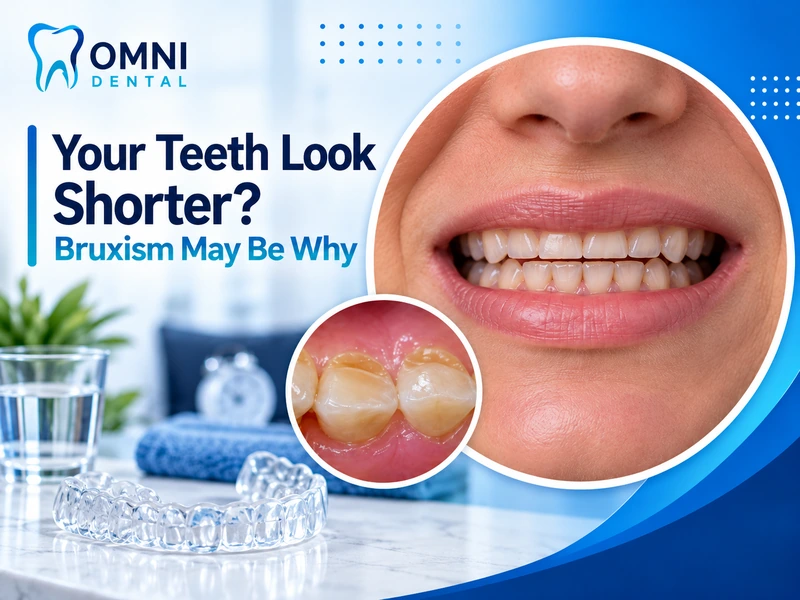
| Enamel wear | Grinding surfaces flatten and wear down | Increased sensitivity, exposed dentin, discoloration |
| Cracked/chipped teeth | Repeated force causes fractures in tooth structure | Sharp edges, pain, cavity entry points, needing crowns |
| Gum recession | Clenching creates pressure that pushes gums away | Root exposure, sensitivity, gum disease risk |
| Jaw joint damage | TMJ experiences excessive force and inflammation | Chronic jaw pain, clicking, difficulty eating |
| Headaches | Tight jaw muscles create tension in head/neck | Morning headaches, tension migraines, chronic pain |
All of this damage occurs silently during sleep or stressful situations. Early detection prevents extensive and costly repair work.

Recognizing Bruxism Symptoms
Many people don’t realize they grind their teeth until damage is visible. Recognizing early warning signs prevents serious problems.
Signs you may have bruxism:
- Grinding sounds: Sleep partner reports audible grinding or clenching throughout night
- Morning jaw pain: Tight jaw muscles upon waking, difficulty opening mouth
- Tooth sensitivity: Sudden or increasing sensitivity to hot/cold and pressure
- Worn tooth surfaces: Teeth appear flattened or shortened compared to before
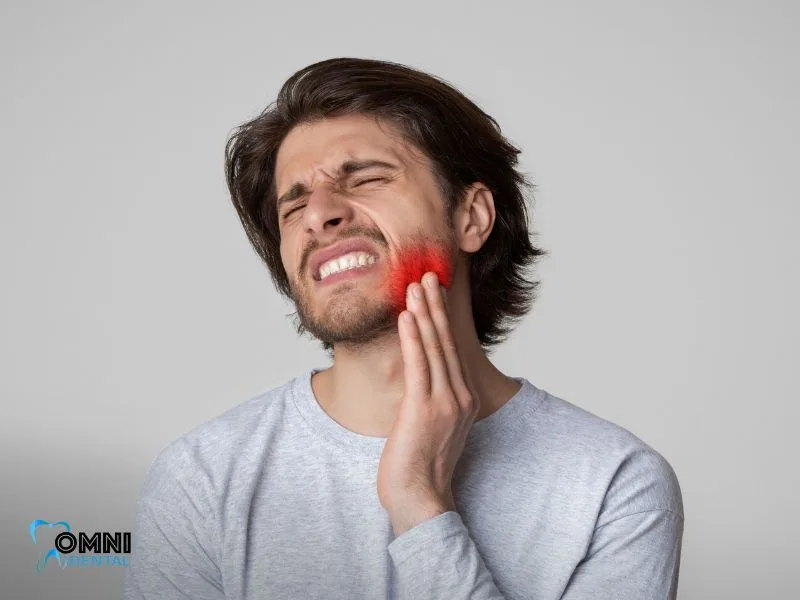
- Facial pain: Chronic pain in jaw, face, or ear area
- Headaches: Frequent morning headaches or tension headaches
- Chipped/cracked teeth: Visible fractures with no obvious cause
- Gum recession: Gum line receding, root surfaces becoming visible
- Tongue indentations: Scalloped edges or bite marks on sides of tongue
- Popping jaw: Clicking or popping sounds when opening mouth
If your sleep partner reports grinding sounds or you notice multiple symptoms, schedule a dental examination immediately.
Experiencing jaw pain or morning tooth sensitivity?
Our dentists can diagnose bruxism and recommend protective treatment. Call (847) 483-8833 to schedule your bruxism evaluation today.
Sleep Bruxism vs. Awake Bruxism
While both types damage teeth, their causes and treatment approaches differ significantly.
| Factor | Sleep Bruxism | Awake Bruxism |
|---|---|---|
| When it occurs | During sleep, especially during periods of arousal | While awake, often during stress or concentration |
| Intensity | Usually more forceful; unconscious pressure | Often lighter; controllable with awareness |
| Primary causes | Sleep disorders, sleep apnea, stress during sleep | Stress, anxiety, work concentration |
| Awareness | Unaware; discovered by sleep partner or dentist | Can develop self-awareness; easier to control |
| Treatment focus | Night guards + address sleep disorders/apnea | Stress management + awareness + guards |

Connection to Sleep Disorders
Sleep bruxism often occurs during sleep disorders, particularly obstructive sleep apnea. Understanding this link helps identify root causes.
How sleep disorders cause bruxism:
- Obstructive sleep apnea (OSA): Breathing interruptions trigger arousal events; bruxism often occurs at these arousal moments
- Periods of arousal: Brain partially wakes during sleep disruptions, causing muscle tension and grinding
- Stressed sleep: The body remains in fight-or-flight state, activating jaw muscles
- Fragmented sleep: Poor sleep quality increases nighttime muscle tension and grinding episodes
If you have diagnosed sleep apnea or suspect sleep disorder, treating the underlying condition often reduces bruxism significantly. Your sleep partner’s observations help identify if episodes occur occurring during sleep or relate to breathing interruptions.

Stress, Anxiety, and Teeth Grinding
Stress and anxiety are the primary bruxism triggers for both sleep and awake grinding.
Why stress causes bruxism:
- Fight-or-flight response activates jaw muscles and increases tension
- Chronic stress keeps muscles in constant state of tension
- Sleep anxiety amplifies grinding during sleep
- Emotional stress often transferred to jaw and teeth during sleep
Stress management strategies to reduce bruxism:
- Meditation and mindfulness: Reduces overall stress and muscle tension
- Exercise: Physical activity burns stress hormones and reduces anxiety
- Yoga: Combines gentle movement with relaxation techniques
- Deep breathing: Activates parasympathetic nervous system, reversing stress response
- Progressive muscle relaxation: Deliberately tense and release muscles to reduce tension patterns
- Sleep hygiene: Consistent sleep schedule, cool dark bedroom, limited screens before bed
- Therapy: Cognitive behavioral therapy addresses underlying anxiety
- Warm compress: Apply to jaw before sleep to relax muscles
Combining stress management with night guard protection provides most effective bruxism control.
Medications and Drug-Related Bruxism
Certain medications and recreational drugs can cause bruxism as a side effect. Understanding your risk helps prevent preventable grinding.
Medications with bruxism side effects:
- SSRI antidepressants: Common side effect is teeth clenching and grinding
- Stimulant medications: ADHD medications can increase jaw tension
- Amphetamines: Prescription and illicit forms dramatically increase bruxism risk
- Caffeine: Excessive caffeine use before bed increases grinding
- Alcohol: While seeming relaxing, alcohol often increases sleep bruxism
Recreational drug effects on bruxism:
- Recreational drug use (particularly stimulants) dramatically increases bruxism intensity
- MDMA/Ecstasy causes severe teeth clenching
- Cocaine and methamphetamine produce intense, damaging bruxism
- Stimulants activate same neural pathways as stress response
If medication-related bruxism occurs, discuss with your prescribing doctor. Many alternatives exist without this side effect. Muscle relaxants may help if prescribed by physician, but won’t address root causes. Understanding these pharmaceutical considerations is part of comprehensive oral health management.
Does your bruxism relate to medication side effects or drug use?
Our dental team can recommend protective strategies while you address underlying causes. Schedule a consultation to protect your teeth. Call (847) 483-8833.
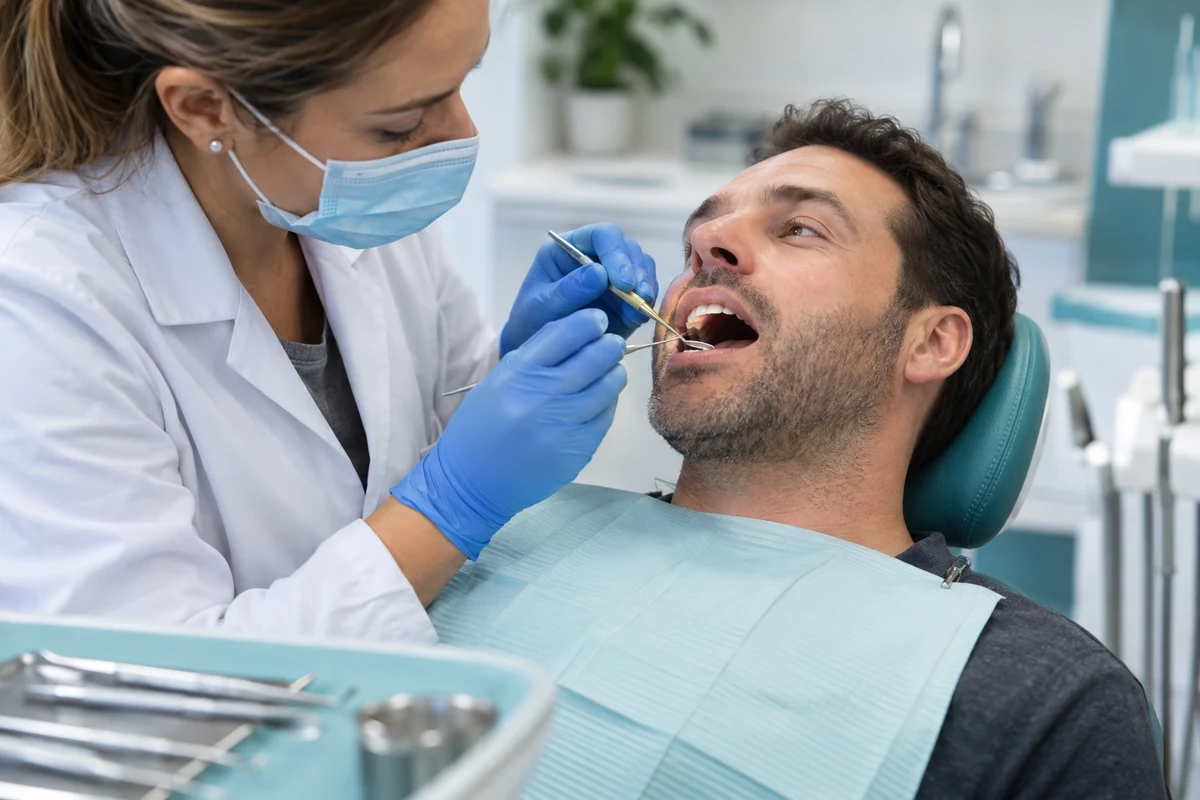
Night Guards and Protective Treatment
Night guards are the primary treatment for preventing bruxism damage. They absorb grinding force, protecting teeth and jaw joints.
Types of night guards available:
- Custom-fitted night guards: Most effective; molded to your bite for maximum comfort and protection
- Over-the-counter guards: Lower cost but less protective; often uncomfortable and poorly fitting
- Soft guards: Comfortable but less durable; may worsen clenching in some cases
- Hard guards: Most protective but can feel bulky to some users
- Combination guards: Hard outer layer with soft inner layer for comfort and protection
Benefits of night guards:
- Protects tooth enamel from grinding wear
- Prevents tooth fractures and chips
- Reduces jaw joint trauma and TMJ pain
- Decreases morning headaches and muscle tension
- Saves thousands in future dental restoration costs
- Can help reduce grinding episodes (gentle reminder effect)
A custom-fitted night guard from your dentist provides superior protection compared to store-bought alternatives.
Jaw Pain and TMJ Complications
Jaw pain is one of the most common bruxism symptoms, affecting quality of life significantly.
How bruxism causes jaw pain:
- Constant muscle tension in masseter and temporalis muscles
- TMJ joint experiences excessive force, causing inflammation
- Tight jaw muscles create pain in jaw, face, and temporomandibular joint
- Muscle tension radiates to neck, shoulders, and head
- Chronic pain develops from repeated trauma and inflammation
Managing jaw pain from bruxism:
- Night guard use: Reduces muscle activity and joint stress during sleep; protective dental devices are key to TMJ health
- Jaw exercises: Gentle stretching and strengthening improves function
- Warm compresses: Relaxes muscles before sleep
- Massage: Relieves muscle tension in jaw and neck
- Over-the-counter pain relief: Temporary symptom management (not long-term solution)
- Muscle relaxants: May help if prescribed by physician; consult dentist first
- Stress reduction: Addresses root cause of muscle tension
- Physical therapy: Professional guidance for jaw rehabilitation
How Bruxism Impacts Your Teeth: Common Questions
How Does Bruxism Affect Teeth?
Bruxism damages teeth through multiple mechanisms, including enamel wear, fractures, and gum recession, creating a cascade of dental problems.
Progressive damage stages:
- Stage 1 (Early): Enamel wear and sensitivity; barely noticeable to the patient
- Stage 2 (Moderate): Visible flattening of tooth surfaces; sensitivity increases
- Stage 3 (Advanced): Cracks and chips appear; exposed dentin causes severe sensitivity
- Stage 4 (Severe): Multiple teeth damaged; require crowns or other restoration
Early detection allows protective measures before expensive restoration becomes necessary.
Can My Teeth Recover From Bruxism?
Unfortunately, tooth enamel cannot regenerate once worn or damaged by bruxism. However, protective measures prevent further damage.
What can recover vs. what cannot:
- Enamel wear: Permanent damage; cannot be restored naturally
- Jaw pain: Often improves dramatically with night guards and stress management
- Gum recession: Does not reverse; requires grafting if severe
- TMJ inflammation: Improves when grinding stops and joints rest
- Muscle tension: Improves with night guard use and stress reduction
Stopping bruxism immediately prevents additional damage, even though existing damage cannot be reversed.
Can Bruxism Move Your Teeth?
Yes. Consistent grinding and clenching applies sustained pressure that can shift tooth position over time.
How bruxism moves teeth:
- Lateral grinding forces push teeth sideways and backward
- Sustained pressure causes bone resorption and tooth migration
- Worn bite creates instability allowing movement
- Gum recession exposes roots, allowing tooth movement
Long-term bruxism can create or worsen misalignment requiring orthodontic correction.
What Happens if Bruxism is Left Untreated?
Untreated bruxism leads to progressive, permanent damage affecting teeth, jaw, and overall oral health.
Consequences of untreated bruxism:
- Extensive enamel loss: Teeth become chronically sensitive and discolored
- Multiple tooth fractures: Require crowns, root canals, or extractions
- Chronic jaw pain: TMJ dysfunction develops; pain becomes constant
- Gum disease: Recession and damage lead to periodontal problems
- Tooth loss: Severe damage eventually requires tooth extraction and replacement
- Headaches and facial pain: Chronic pain affects quality of life
- Expensive restoration: Costs thousands for crowns, implants, and other treatment
Early intervention saves time, money, and pain compared to managing advanced damage.
Concerned about bruxism damage to your teeth?
Don’t wait for damage to become severe. Our dentists can diagnose bruxism and fit you with a protective night guard. Schedule an appointment today. Call (847) 483-8833.
Complete Bruxism Prevention and Treatment Strategy
Effective bruxism management requires addressing multiple factors simultaneously.
Comprehensive approach to managing bruxism:
- Night guard protection: Custom-fitted guard essential for sleep bruxism
- Stress management: Address root cause through meditation, exercise, therapy
- Sleep hygiene: Consistent schedule, cool dark room, no screens before bed
- Eliminate triggers: Reduce caffeine/alcohol, address sleep disorders
- Medication review: Discuss side effects with doctor if applicable
- Jaw exercises: Gentle stretching prevents muscle tension buildup
- Regular dental checkups: Monitor for damage and adjust treatment as needed
- Sleep partner awareness: Your partner can alert you to grinding episodes and encourage treatment
Combining these strategies creates maximum protection against bruxism damage while improving overall health and sleep quality.

About the author
Dr. Bilus D PolesDDS,MAGD,DICOI, DIDIA
Founder and lead dentist of Omni Dental of Arlington Heights. Master of the Academy of General Dentistry and Board Certified Diplomate of the ICOI and IDIA. Illinois license #019.027365.