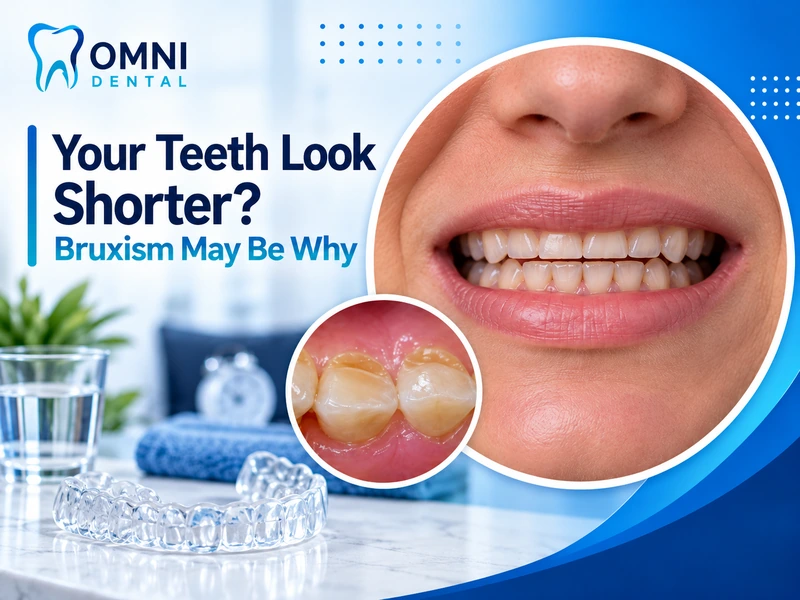
Tooth sensitivity, yellow or stained teeth, and chips or pits are the usual answer to what are the signs of enamel damage. Cleveland Clinic also lists these as signs of tooth erosion. Because enamel cannot grow back, early signs are worth a dental exam.
Key Takeaways
- Pain with hot, cold, or sweet drinks is a common early sign.
- Yellow or stained teeth can appear as erosion gets worse.
- Acidic drinks, reflux, dry mouth, grinding, and hard brushing all wear enamel.
- Topical fluoride is the most common treatment for early erosion.
- Bonding, veneers, and crowns can restore teeth with advanced wear.
Estimated read: 5 min
What Are the Signs of Enamel Damage?
Enamel is the hard outer layer that protects each tooth, and damage usually builds slowly over time. Cleveland Clinic explains that tooth erosion happens when this layer wears down. So most signs show up as changes in how your teeth feel or look.
This table shows the most common signs and what each one usually feels like.
| Sign | What you may notice |
|---|---|
| Sensitivity | Pain with hot, cold, or sweet drinks |
| Discoloration | Teeth that look more yellow or stained |
| Pitting | Small dents or a rough feel on tooth surfaces |
| Chips and jagged edges | Rough or uneven edges on your teeth |
| Cracks | Broken or cracked teeth as wear progresses |
Other signs are easy to miss. The American Dental Association notes that erosion can change existing fillings and raise your risk of cavities over time. Even so, an abscess or tooth loss happens only in extreme cases.
What Does Damaged Enamel Look Like?
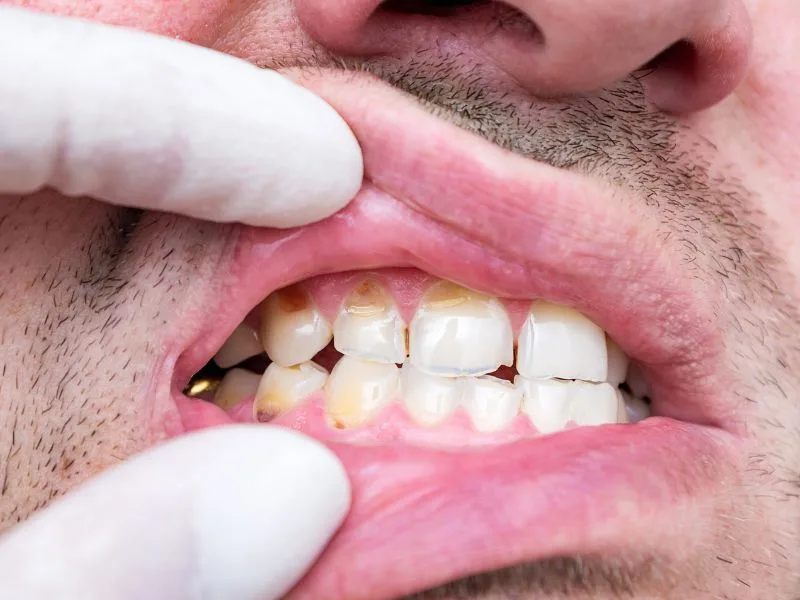
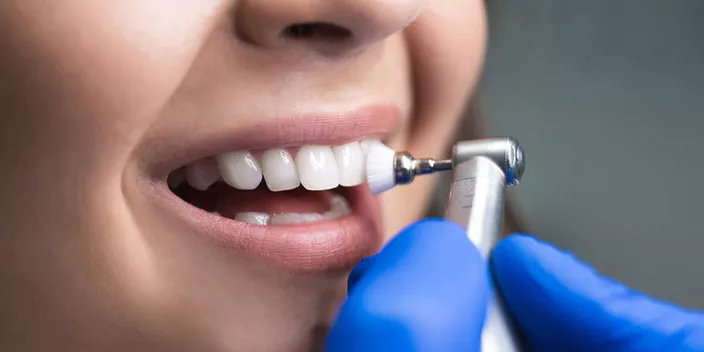
Damaged enamel often looks yellowish, stained, or uneven. Cleveland Clinic lists yellow or stained teeth and rough or jagged edges as complications of erosion. Also, worn enamel exposes the inner layers of the tooth, as NIDCR explains.
Then look closely at your teeth in good light, and check for these changes:
- A yellow or darker shade than you remember
- Small pits or dents on tooth surfaces
- Rough or jagged edges
- Tiny chips or cracks
- Fillings that look different than before
Still, early damage is hard to judge at home. That is why a dentist should check for wear during your routine exam.
What Causes Tooth Enamel Damage?
Enamel usually wears down from acid, pressure, or friction, so the damage adds up. Cleveland Clinic lists several causes, and many of them work together.
This table matches each common cause with how it wears enamel.
| Cause | How it harms enamel |
|---|---|
| Acidic or sugary foods and drinks | Acid softens and wears the enamel surface |
| GERD (chronic acid reflux) | Stomach acid reaches the teeth |
| Dry mouth | Less saliva to rinse and protect teeth |
| Teeth grinding | Pressure flattens and chips tooth surfaces |
| Brushing too hard | Friction wears enamel near the surface |
Grinding deserves a closer look because it can happen during sleep, when you may not notice it. The National Institute of Dental and Craniofacial Research lists worn tooth enamel and flattened, chipped, or cracked teeth among its signs. For a deeper look at acid wear, read our guide on why enamel erosion happens.

How to Protect Your Enamel From More Damage
Daily habits still make a real difference once you notice wear. The ADA suggests a few simple steps for acidic foods and drinks:
- Drink acidic drinks with a straw, and sip and swallow instead of holding them in your mouth.
- Rinse with water, drink milk, or eat cheese after acidic foods.
- Wait an hour before you brush after eating acidic foods.
- Chew sugarless gum to increase saliva flow.
Cleveland Clinic also adds a few habits. First, use fluoride toothpaste, brush at least twice a day, and floss once a day. Then schedule regular dental checkups and cleanings so your dentist can track any wear.
Can Damaged Enamel Be Fixed?
Enamel cannot grow back once it is gone, according to Cleveland Clinic. However, a dentist can slow the damage and restore the look and strength of your teeth.
For early erosion, topical fluoride is the most common treatment. It strengthens enamel and can stop the damage from getting worse, but it cannot reverse it.
For more advanced wear, Cleveland Clinic lists dental bonding, veneers, and dental crowns. At Omni Dental, dental bonding is one option your dentist may discuss after an exam. The right choice depends on how much enamel is left and where the damage is.
Noticed sensitivity or chips? Our restorative dentistry team can take a look.
Frequently Asked Questions About Enamel Damage
Can the body repair tooth enamel?
No, the body cannot regrow enamel once it is gone, according to Cleveland Clinic. Still, topical fluoride can strengthen the enamel you have and help stop early erosion from getting worse. That is why catching wear early gives you more options and protects more of your natural tooth.
Can a dentist tell if enamel is damaged?
Yes, checking for wear is part of a routine dental exam. So your dentist can look for pitting, rough edges, chips, cracks, and changes around fillings. Regular checkups and cleanings also let your dentist compare your teeth over time, so slow wear does not go unnoticed.
What drinks are hardest on tooth enamel?
The ADA points to soft drinks, soda, and sports drinks, including sugar-free versions, because carbonation raises acidity. Orange juice and fresh lemonade are also more acidic than water. If you drink them, use a straw and rinse with water afterward to limit contact with your teeth.
Is enamel erosion the same as a cavity?
No, they are different problems, although they are related. Erosion is the gradual wearing away of the enamel surface, while a cavity is decay. However, the ADA notes that erosion raises your risk of cavities over time, so worn teeth need closer attention at checkups.
Does brushing harder protect enamel?
No, brushing too hard is one of the causes of enamel wear listed by Cleveland Clinic. Instead, brush gently at least twice a day with fluoride toothpaste. After acidic foods, the ADA suggests waiting an hour before you brush your teeth.
Get Your Enamel Checked in Arlington Heights
If the question “what are the signs of enamel damage?” brought you here, Omni Dental can check your enamel and explain your options. Request an appointment or visit us at 305 E. Rand Road in Arlington Heights.

About the author
Dr. Bilus D PolesDDS,MAGD,DICOI, DIDIA
Founder and lead dentist of Omni Dental of Arlington Heights. Master of the Academy of General Dentistry and Board Certified Diplomate of the ICOI and IDIA. Illinois license #019.027365.