Scientists may soon regrow human teeth with an experimental drug that blocks USAG-1, a protein that stops new teeth from forming. The first human trial began in late 2024 at Kitano Hospital in Osaka with 30 men missing at least one tooth. Researchers hope the treatment could reach patients around 2030, but it is not available yet.
Key Takeaways
- The drug blocks USAG-1, a protein that keeps dormant tooth buds from developing.
- The first human safety trial started in late 2024 in Osaka, Japan.
- Participants are 30 men aged 30 to 64, each missing at least one tooth.
- A later trial is planned for children born without some permanent teeth.
- Until the drug is proven and approved, implants, bridges, and dentures remain the standard options.
Estimated read: 3 min
A Breakthrough in Tooth Regrowth
For decades, dentists have relied on crowns, bridges, and dental implants to replace missing teeth. But Japanese researchers at Kitano Hospital in Osaka are working on something revolutionary: a medicine that stimulates tooth development and regrowth.
This experimental drug works by suppressing USAG-1, a protein in the human body that prevents new teeth from forming. By turning off this “switch,” scientists hope to activate dormant tooth buds, enabling patients to regrow a new set of teeth naturally.
Human Trials Are Underway
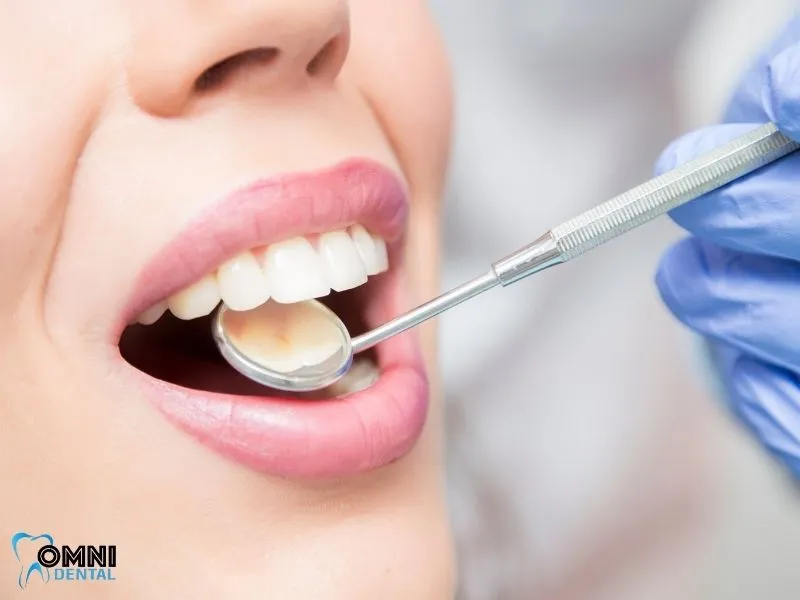
The world’s first clinical trial began in late 2024. Researchers are testing the drug on 30 men between the ages of 30 and 64, each missing at least one tooth. These participants are receiving careful monitoring to evaluate safety and potential side effects.
If the trial is successful, the next stage will focus on children who were born without some of their permanent teeth. Scientists believe the drug could be available to patients as early as 2030, transforming the way we treat tooth loss.
Why This Matters for Oral Health
Teeth don’t usually repair themselves the way bones do. Once a permanent tooth is lost, it’s gone for good until now. The potential of regrowing teeth offers new hope for millions of people who rely on dentures or implants.
For everyday patients, this could mean:
- A more natural alternative to dental implants
- Reduced need for artificial replacements
- A lasting solution to missing teeth
While the research is still early, the idea of being able to grow new teeth has the dental world buzzing with excitement.
Looking Ahead: A Dental Revolution?
Though this discovery may sound like science fiction, it’s grounded in years of research. If proven safe and effective, this treatment could make tooth regeneration part of everyday dentistry.
At Omni Dental, we follow breakthroughs like this closely because they represent the future of oral health. While we still rely on today’s trusted treatments, the possibility of natural tooth growth may one day change the way we restore healthy, confident smiles.

About the author
Dr. Bilus D PolesDDS,MAGD,DICOI, DIDIA
Founder and lead dentist of Omni Dental of Arlington Heights. Master of the Academy of General Dentistry and Board Certified Diplomate of the ICOI and IDIA. Illinois license #019.027365.