
The link between oral and overall health is inflammation: gum disease lets mouth bacteria enter the bloodstream and spread inflammation through the body. Gum disease is linked to higher risk of heart disease, diabetes, and other chronic conditions. Brushing twice a day, flossing daily, and regular dental visits help protect both your mouth and your body.
Key Takeaways
- Bacteria from infected or inflamed gums can enter the bloodstream.
- Gum disease is linked to heart disease, diabetes, rheumatoid arthritis, and some cancers.
- Untreated tooth decay can cause infections that spread beyond the mouth.
- Painful or missing teeth can make it hard to eat a healthy, balanced diet.
- Patients with diabetes are often screened for gum disease because the two conditions affect each other.
Estimated read: 6 min
Problems like gum disease and tooth decay don’t stay confined to your mouth, so ignoring your dental health can put more than your teeth at risk.
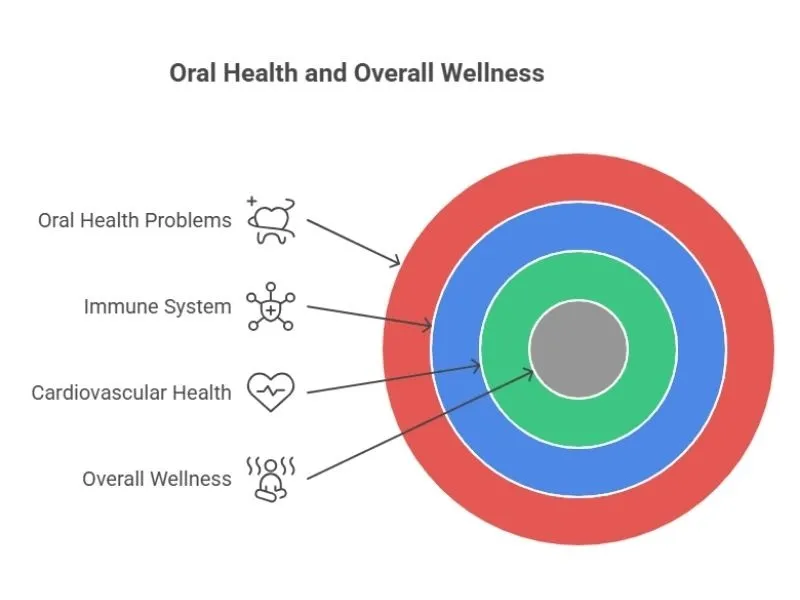
How Oral Health and Systemic Health Are Connected
Your mouth isn’t isolated from the rest of your body—it’s the gateway to it. The bacteria in your mouth don’t just stay on your gums or teeth. When poor oral health leads to infection or inflammation, it can spread through the bloodstream, potentially harming vital organs and triggering systemic inflammation.
This connection is especially critical for those managing chronic health conditions, like diabetes, heart disease, or respiratory illnesses.
How Gum Disease Impacts the Heart
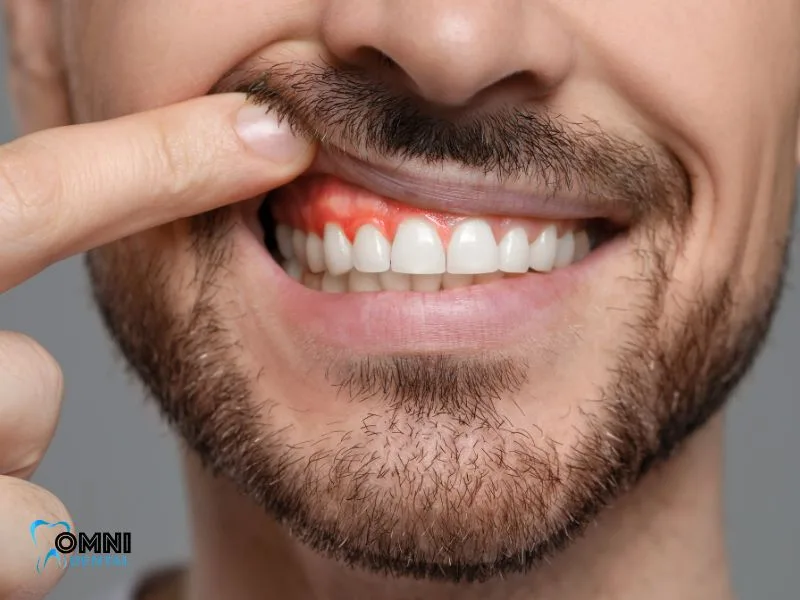
Periodontal disease, commonly known as gum disease, causes chronic inflammation of the gums. This condition allows bacteria to enter the bloodstream, where they can trigger inflammation in the arteries. Over time, this may lead to the development of cardiovascular disease, increasing your risk for heart attacks and strokes.
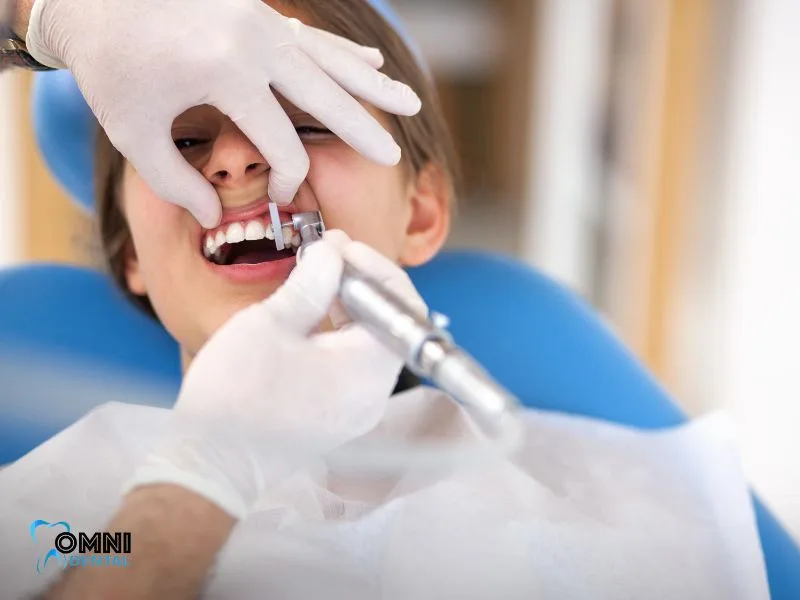
Maintaining good oral health through brushing, flossing, and routine dental visits helps reduce these harmful bacteria—supporting both dental and heart health.
Tooth Decay Can Harm More Than Your Smile
Untreated tooth decay can result in infections and abscesses, allowing harmful microbes to reach other parts of the body. Infections stemming from decayed teeth can even weaken the immune system, increasing vulnerability to other medical and dental complications.
If infections are left untreated, they can lead to serious health problems, especially for those with existing medical conditions.
Chronic Inflammation and Systemic Effects
Persistent inflammation in the gums doesn’t just damage the tissue in your mouth—it can impact your body’s overall inflammatory response. Studies show a strong correlation between periodontal disease and an increased risk of systemic diseases like diabetes, rheumatoid arthritis, and certain cancers.
This underscores the importance of recognizing oral health affects more than just your teeth—it influences your total health profile.

The Role of Good Dental Habits in Preventive Health
FAQs: What You Need to Know About Oral-Systemic Health
What is the link between oral health and overall health?
There’s growing evidence that poor oral health is closely tied to serious systemic conditions. Infections and chronic inflammation in the teeth and gums, such as those caused by gum disease, can increase the risk of heart disease, diabetes, and even neurological conditions like Alzheimer’s disease.
Harmful bacteria can enter the bloodstream from the mouth, creating a risk factor for widespread inflammation throughout the body. This clearly shows the link between oral and overall health, emphasizing the need for consistent oral hygiene and timely dental checkups.
What is the connection between oral health and systemic health?
The connection lies in how oral health problems, particularly periodontal disease, contribute to systemic inflammation. When your gums are inflamed or infected, bacteria can enter the bloodstream and travel to other organs, where they may trigger or worsen chronic illnesses.
These bacteria can compromise immune function, making existing conditions harder to manage. That’s why dentists and physicians now stress the importance of integrating medical and dental health care for better patient outcomes.
What is the relationship between teeth, oral health, and nutritional health?
Your teeth and gums play a vital role in how you eat and absorb nutrients. If you’re suffering from cavities, gum pain, or tooth loss, chewing becomes difficult and often painful. This can lead to poor nutrition as patients avoid certain healthy foods, especially crunchy fruits and vegetables.
Over time, inadequate nutrition can affect immune function, healing, and general well-being. Thus, protecting oral health is essential not just for your smile, but for your body’s ability to stay nourished and strong.
Is dental health related to physical health?
Absolutely. Dental health is a crucial part of your overall physical health. Poor brushing and flossing habits can lead to plaque buildup, which in turn can cause tooth decay, gum disease, and even oral cancer. These conditions don’t just stay in the mouth, they can influence your entire body.
Chronic infections and inflammation are risk factors for systemic diseases. That’s why regular dental care is more than cosmetic, it’s a key pillar of preventive health care.
Don’t Underestimate the Power of Oral Care
Understanding the link between oral and overall health can be life-changing. A healthy mouth does more than just help you smile confidently—it helps keep your heart healthy, your immune system strong, and your body functioning at its best.
If you want to protect your long-term wellness, start with your teeth. Brush daily, get routine dental checkups, and don’t ignore early warning signs like bleeding gums or persistent bad breath. Your future self will thank you.
Contact Us Today!
Schedule your appointment at Omni Dental and ensure your family receives the best dental care in the NW Chicago suburbs. Together, let’s keep those young smiles bright and healthy!

About the author
Dr. Bilus D PolesDDS,MAGD,DICOI, DIDIA
Founder and lead dentist of Omni Dental of Arlington Heights. Master of the Academy of General Dentistry and Board Certified Diplomate of the ICOI and IDIA. Illinois license #019.027365.