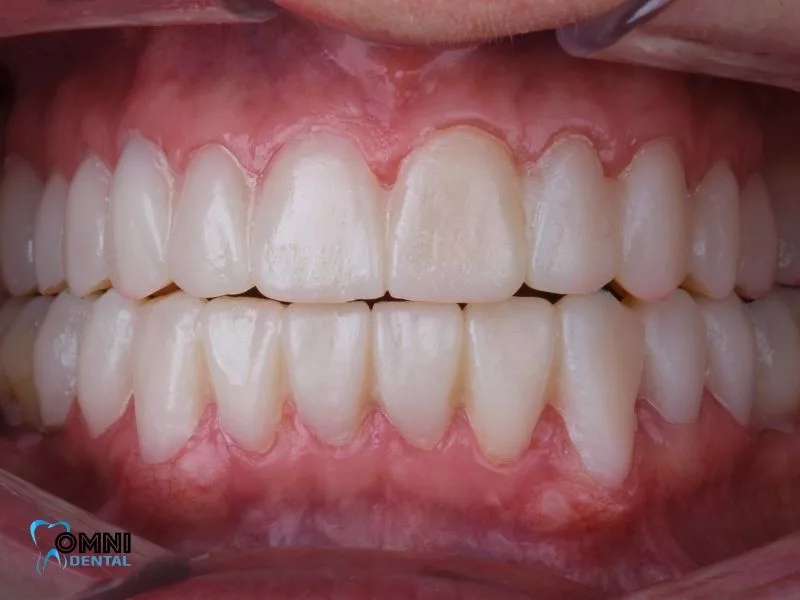

If a filling falls out, rinse with warm salt water, avoid chewing on that side, and call your dentist promptly. Knowing what to do if you lose a filling protects the exposed tooth from further decay. Until your visit, over-the-counter pain relievers and temporary filling material can ease sensitivity.
Key Takeaways
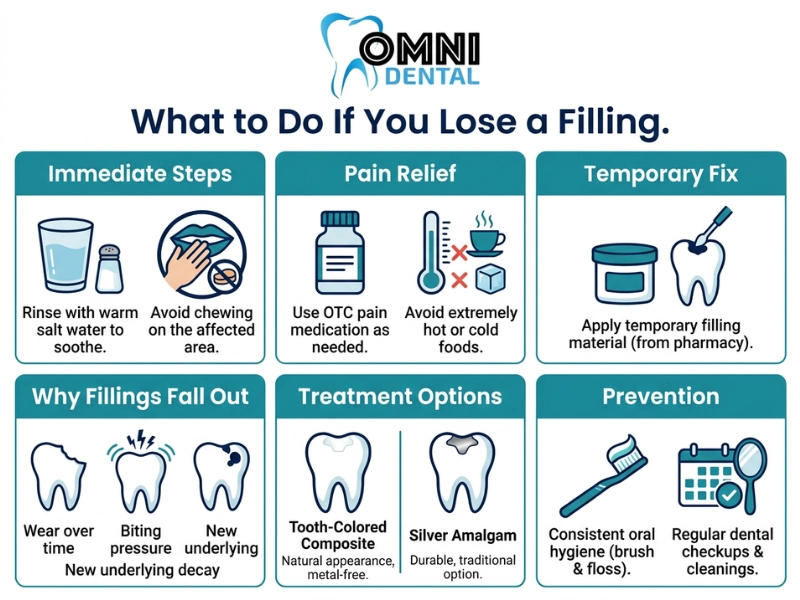
- Rinse with warm salt water to clear debris, and avoid chewing on the affected side.
- Over-the-counter pain relievers and temporary filling material can protect the tooth until your visit.
- Avoid very hot or cold foods while the tooth is exposed.
- Fillings can fall out from wear, biting pressure, temperature changes, or decay under the filling.
- Your dentist will check for decay before placing a new composite or amalgam filling.
Estimated read: 4 min
Immediate Steps to Protect Your Tooth
Losing a filling can be alarming. If you notice a filling fell out, it is important to act quickly to protect the exposed tooth and prevent further tooth decay. First, rinse your mouth gently with warm salt water to remove any debris and reduce the risk of infection. Avoid chewing on that side of your mouth and call your dentist as soon as possible to schedule a dental appointment.
Using over-the-counter counter pain relievers can help reduce discomfort until your visit. If available, a temporary filling material can cover the exposed area, helping to protect the tooth and prevent sensitivity.
Why Fillings Fall Out
There are several reasons a filling falls from a tooth. Amalgam fillings can wear down over time, while changes in temperature or biting pressure can cause a filling to fall unexpectedly. Poor oral hygiene, tooth decay, or regular dental wear may also weaken the bond between the tooth enamel and the filling.
Maintaining proper oral hygiene and brushing properly with fluoride toothpaste can prevent future issues. Regular dental visits allow your dentist to detect problems before a filling is lost, helping avoid dental emergencies.

Managing Pain and Sensitivity
If the exposed tooth causes discomfort, rinse with warm salt water, avoid very hot or cold foods, and maintain gentle oral hygiene on nearby teeth. Using soft-bristle toothbrushes and carefully brushing your teeth can prevent irritation around the area.
In cases of severe pain or risk of infection, your dentist may recommend a root canal before replacing the filling. Understanding what to do if you lose a filling ensures that you take the right steps and maintain oral health while waiting for your appointment.
Replacing a Lost Filling
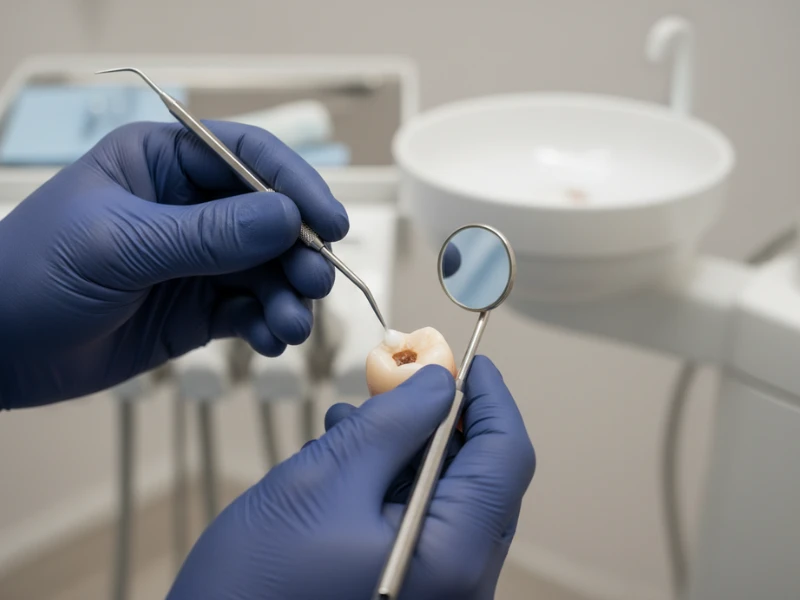
Once at the dentist, the lost filling can be replaced using either a temporary filling material or a permanent restoration. Your dentist will inspect the tooth decay, clean the cavity, and choose the right filling material, either composite or amalgam fillings, to restore function and protect the tooth.
Replacing a lost filling promptly helps prevent further decay and maintains your bite alignment. Remember to follow your dentist’s instructions carefully after treatment and practice good oral hygiene to extend the life of the new filling.

Preventing Future Filling Loss
To prevent another filling falls, maintain proper brushing and flossing habits, attend regular dental check-ups, and avoid chewing very hard foods. Limiting sugar intake and using fluoride toothpaste can strengthen tooth enamel and reduce the risk of cavities.
| Situation | What to Do | Why It Matters |
|---|---|---|
| Lost Filling | Rinse mouth with warm salt water | Removes debris and reduces infection risk |
| Exposed Tooth | Avoid chewing on the affected side | Prevents further damage or cracking |
| Pain or Sensitivity | Use over-the-counter pain relievers and avoid hot/cold foods | Reduces discomfort and irritation |
| Temporary Protection | Apply temporary filling material if available | Protects the exposed area from bacteria |
| Before Dental Visit | Keep area clean and maintain gentle oral hygiene | Prevents plaque buildup and infection |
| Dental Appointment | Schedule a visit as soon as possible | Ensures proper treatment and prevents decay |
| After Treatment | Follow dentist instructions and maintain oral hygiene | Extends the life of the new filling |
Local Arlington Heights Dental Care
If you are in Arlington Heights or nearby communities like Buffalo Grove, Palatine, Mount Prospect, Rolling Meadows, Schaumburg, Wheeling, Des Plaines, or Elk Grove Village, our team provides prompt care for lost fillings, tooth decay, and dental emergencies. Schedule an appointment to protect your oral health and get expert advice on replacing fillings safely.
Remember: Knowing what to do if you lose a filling can save your tooth and prevent discomfort. Act quickly, protect the tooth, and see your dentist as soon as possible.
FAQ
How long can you go with a lost filling?
You should see a dentist as soon as possible. Leaving an exposed tooth untreated can lead to tooth decay and pain.
Do you have to pay again if a filling falls out?
Cost depends on your dental plan and whether the previous filling was recent. Your dentist can provide options for replacing a lost filling.
What to do when losing a tooth filling?
Rinse your mouth with warm salt water, protect the tooth, avoid chewing on that side, and schedule a dental appointment promptly.

About the author
Dr. Bilus D PolesDDS,MAGD,DICOI, DIDIA
Founder and lead dentist of Omni Dental of Arlington Heights. Master of the Academy of General Dentistry and Board Certified Diplomate of the ICOI and IDIA. Illinois license #019.027365.