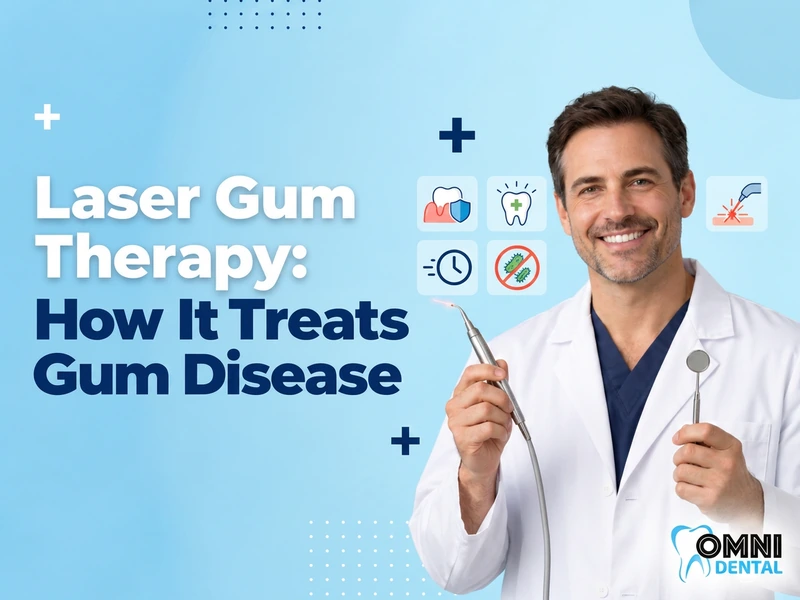
Laser gum therapy treats gum disease by using concentrated light energy to remove infected tissue and bacteria from gum pockets. Knowing all about laser gum therapy helps you compare it with traditional gum surgery, which requires cutting flaps and sutures. LANAP, a specific laser procedure, removes diseased tissue from inside the pockets without cutting the gums away.
Key Takeaways
- Laser gum therapy is a minimally invasive treatment option for periodontal disease that removes diseased tissue effectively.
- The laser assisted new attachment procedure (LANAP) promotes faster healing compared to traditional gum surgery.
- The combination of scaling and root planing with laser therapy provides superior tissue and bone regeneration.
- Proper home care after laser gum treatment reduces the risk of disease recurrence.
Read time: 7 min
Laser gum surgery represents a significant advancement in periodontal treatment.
Understanding Laser Gum Therapy
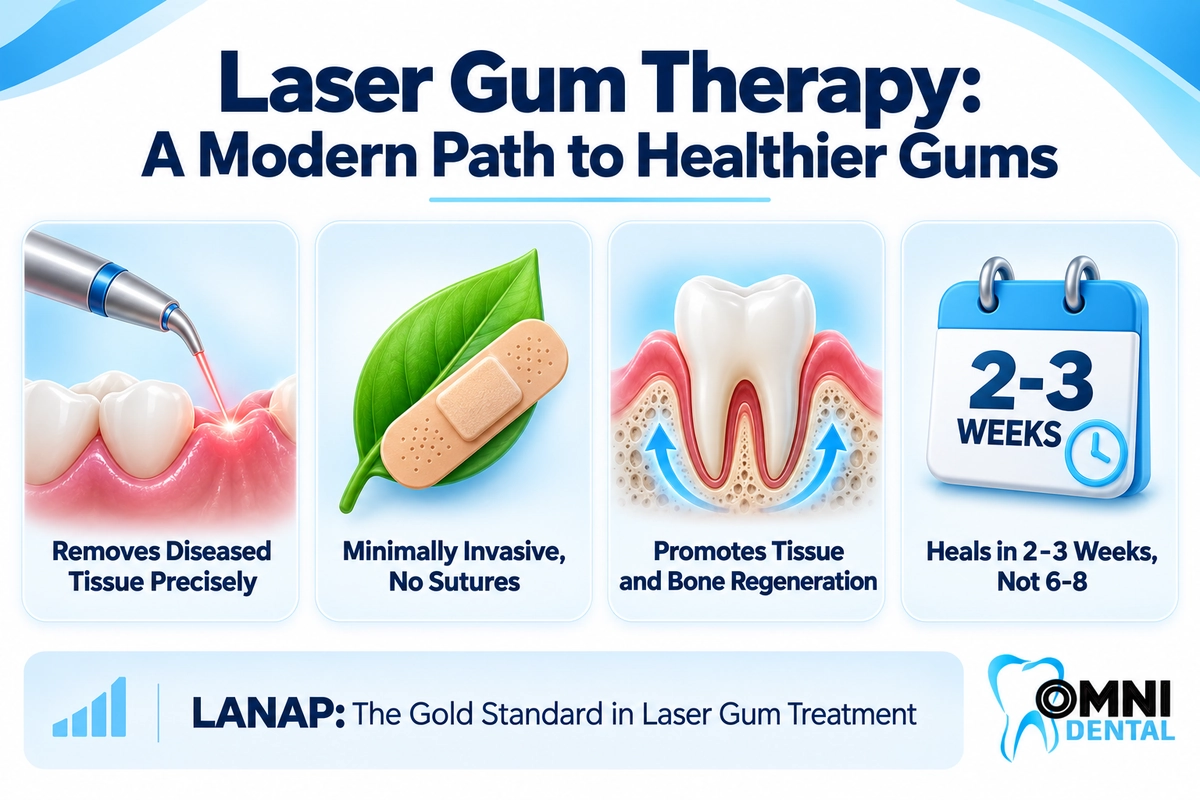
Laser gum therapy addresses periodontal disease using concentrated light energy to remove diseased tissue. The laser targets soft tissue with precision that traditional instruments cannot match. Consequently, this approach preserves healthy gum tissue while eliminating infection sources.
The primary advantage of laser-assisted treatment lies in tissue regeneration potential. Additionally, the laser stimulates the body’s natural healing response. Therefore, tissue and bone rebound faster than conventional surgical methods allow.
A minimally invasive treatment option appeals to patients concerned about recovery time. Moreover, laser gum surgery reduces post-operative discomfort significantly. Subsequently, most patients return to normal activities within days rather than weeks. Additionally, professional deep cleanings combined with laser therapy provide comprehensive disease management.
How Laser Gum Therapy Treats Gum Disease
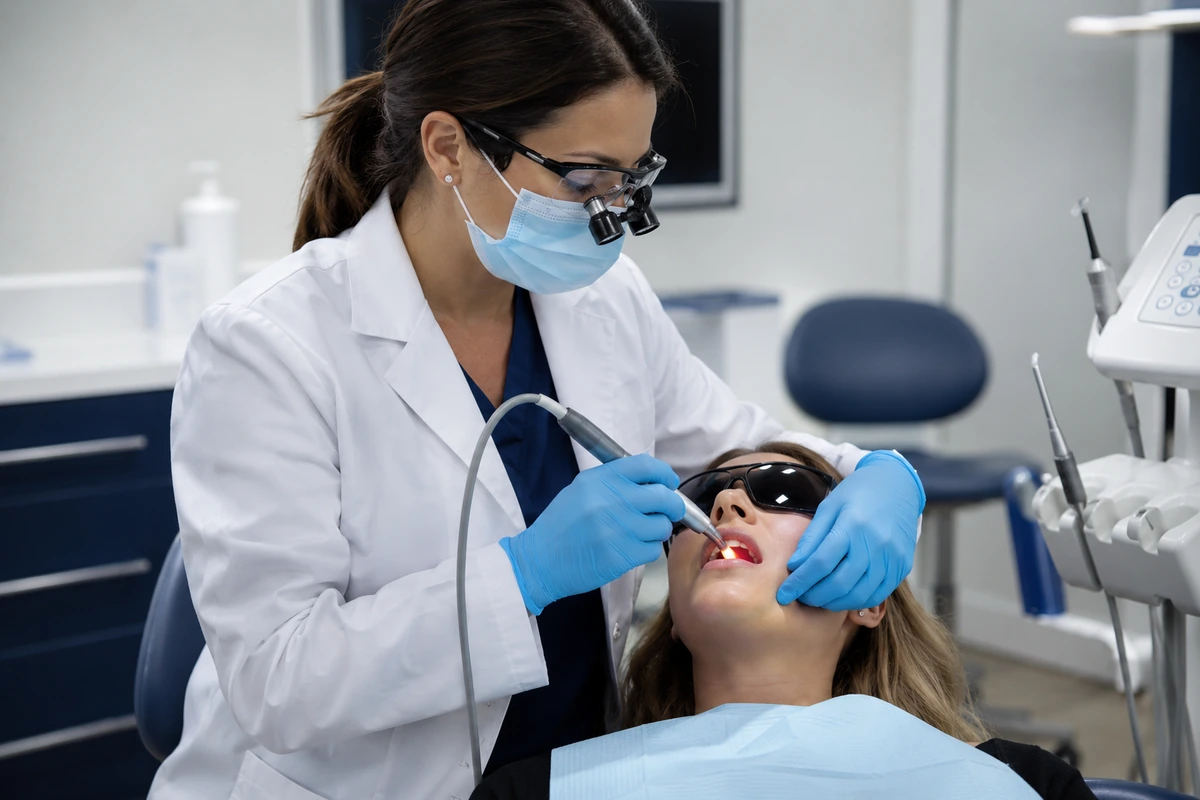
The treatment process begins with assessment of diseased tissue depth and extent. Your dentist then develops a personalized treatment plan based on your condition severity. Furthermore, the laser removes diseased tissue by vaporizing bacterial biofilm and infected pockets.
Scaling and root planing often accompanies laser therapy for maximum effectiveness. This combination approach removes both above-the-line tartar and below-the-line bacterial deposits. Consequently, removing diseased tissue and plaque simultaneously addresses the full infection problem.
The laser energy also sterilizes the treated area. Moreover, this reduces infection risk during healing. Additionally, the heat from the laser causes blood clotting in the pocket area, promoting faster healing and preventing bacterial recolonization.
Laser-Assisted New Attachment Procedure (LANAP)
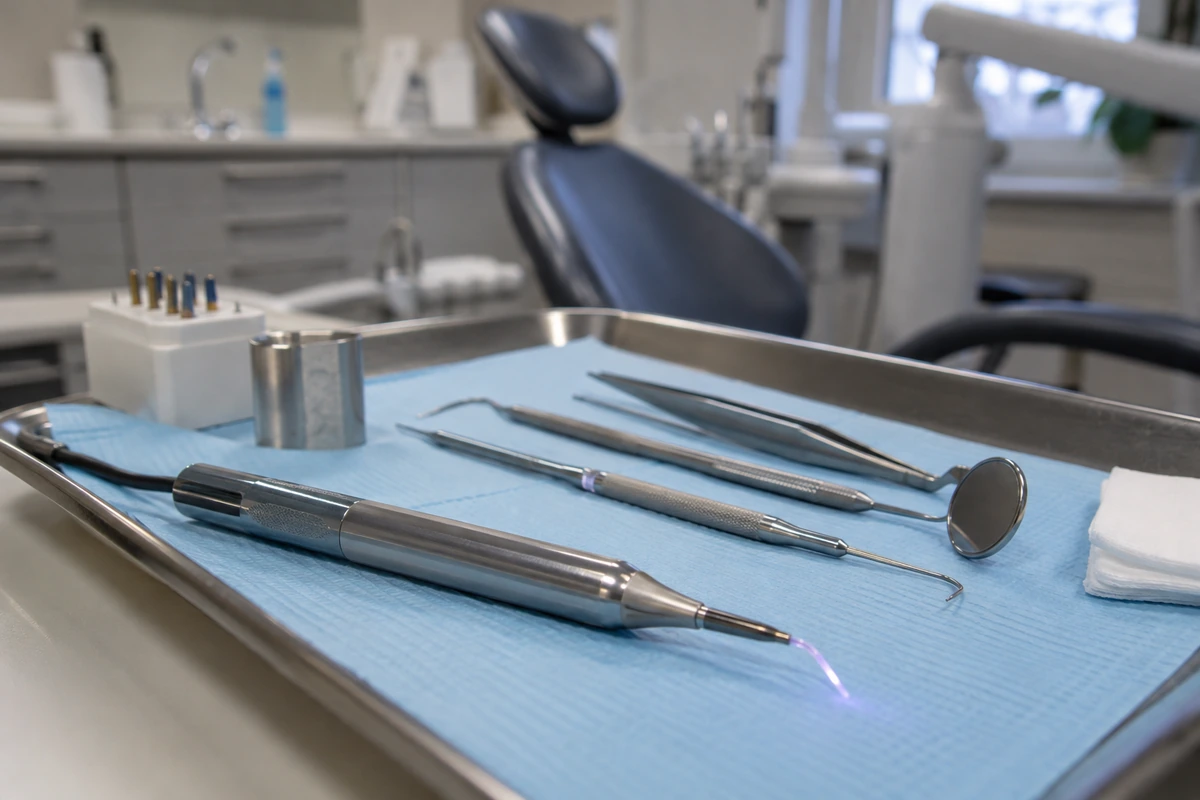
LANAP (laser-assisted new attachment procedure) represents the gold standard in laser gum therapy for those looking to treat gum disease. This patented laser-assisted new attachment procedure uses specific laser wavelengths to selectively remove diseased tissue while preserving healthy attachments. Therefore, tissue regeneration occurs at the deepest periodontal levels.
Traditional gum surgery requires flap procedures that remove soft tissue to access diseased areas. Conversely, LANAP eliminates this invasive approach entirely. Furthermore, LANAP removes diseased tissue from inside pockets without cutting gums away.
LANAP is designed to support tissue regeneration without the flap procedures used in traditional gum surgery. Bone regeneration may also improve, supporting long-term tooth stability.
Concerned about gum disease? Laser therapy may be your answer.
Our periodontists specialize in laser gum therapy and can develop your treatment plan. Call (847) 483-8833 to schedule a consultation today.
Faster Healing with Laser Treatment
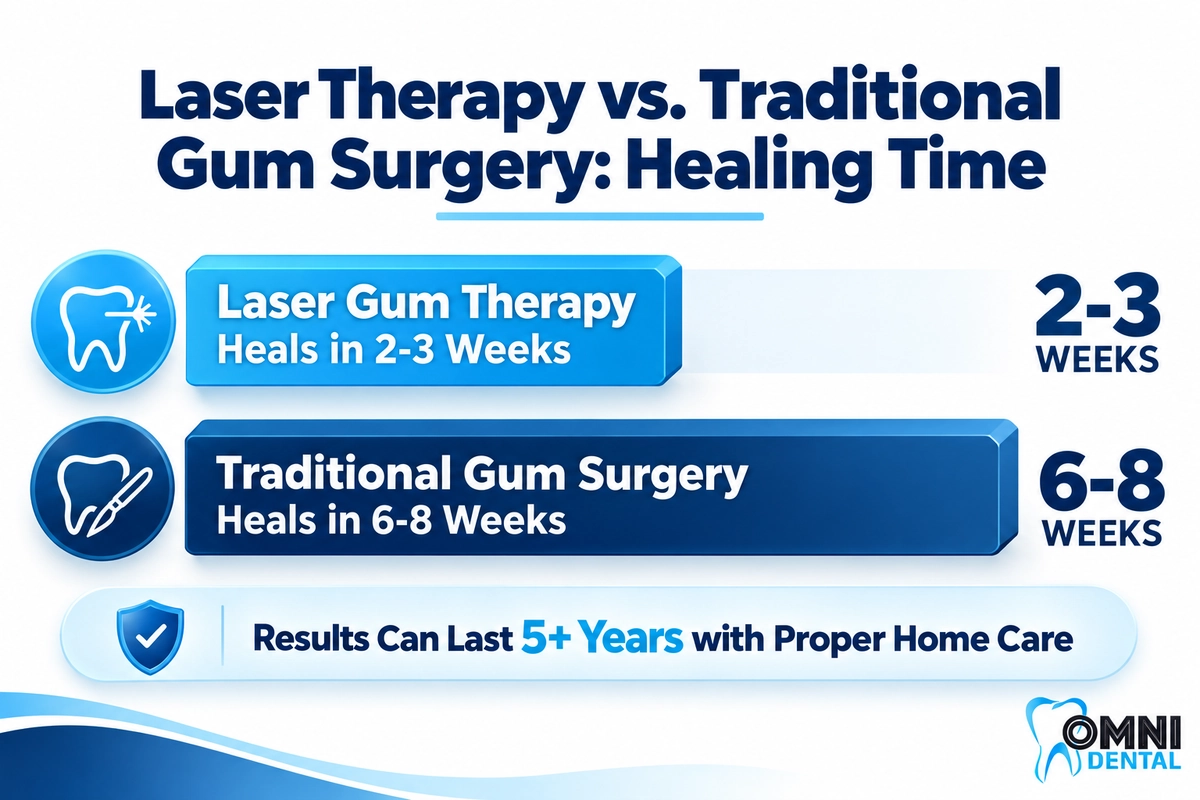
Recovery time represents one major advantage of laser gum therapy over traditional approaches. Minimally invasive treatment means less trauma to surrounding tissues. Consequently, faster healing means you experience less discomfort and swelling.
Traditional gum surgery creates open flaps requiring sutures and weeks of restricted activity. Laser therapy requires no sutures in most cases. Furthermore, treated areas heal within 2-3 weeks instead of 6-8 weeks with conventional surgery.
The laser’s heat also promotes angiogenesis: the formation of new blood vessels. This enhanced blood flow accelerates tissue regeneration significantly. Therefore, your gums rebuild stronger and healthier than before treatment.
Moreover, reduced inflammation means less pain after treatment. Most patients report minimal discomfort after laser gum therapy. Additionally, limited downtime means most patients return to work and normal activities within days.
Soft Tissue and Bone Regeneration
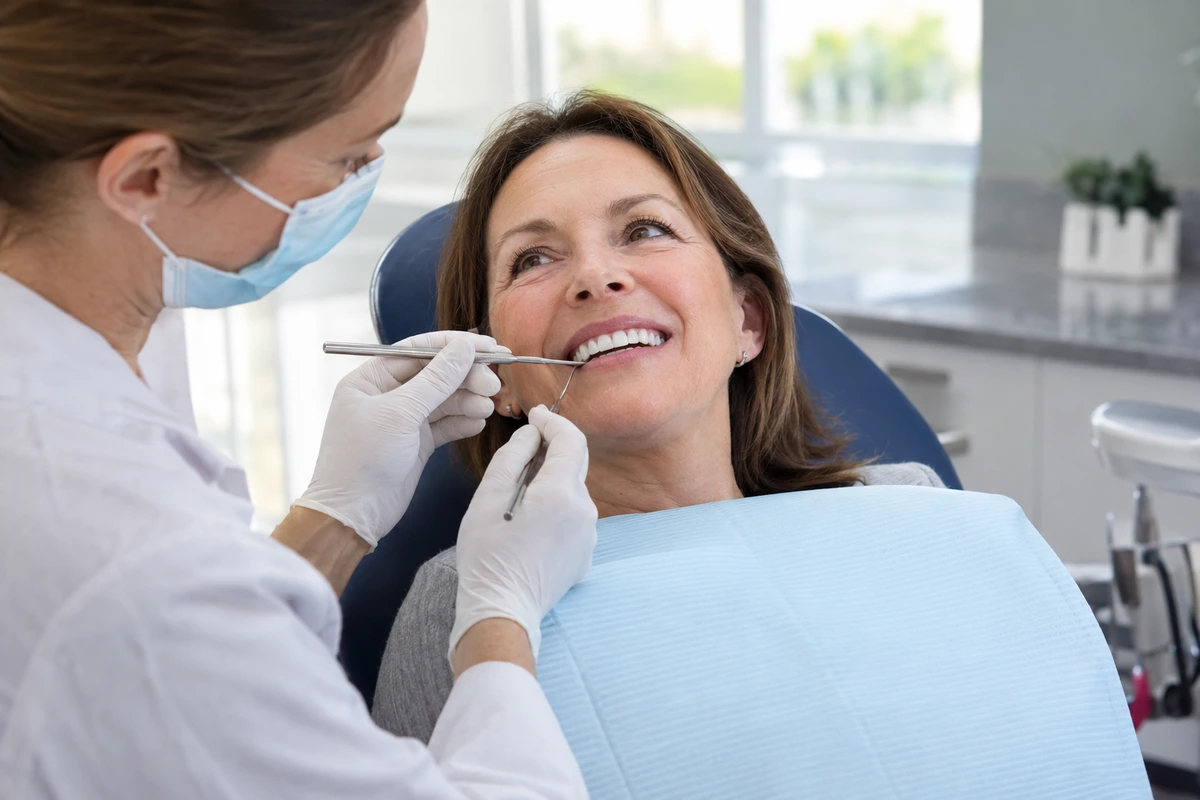
One remarkable benefit of laser therapy involves tissue and bone regeneration. Where traditional surgery creates scars and bone loss, laser treatment promotes regrowth. Therefore, your periodontal structures rebuild rather than deteriorate.
The laser stimulates fibroblast activity: the cells responsible for collagen production. Collagen forms the structural foundation of gums and ligaments. Consequently, increased collagen production supports tissue attachment to tooth roots.
Bone regeneration occurs through similar mechanisms. The laser’s thermal effect activates osteoblasts: bone-building cells. Furthermore, improved blood flow delivers nutrients necessary for bone formation. Subsequently, bone density actually increases around treated teeth.
This regenerative quality makes laser therapy especially valuable for advanced periodontal disease. Patients who once faced tooth loss can now preserve their natural teeth. Additionally, improved bone support extends tooth longevity significantly.
Managing Home Care After Treatment
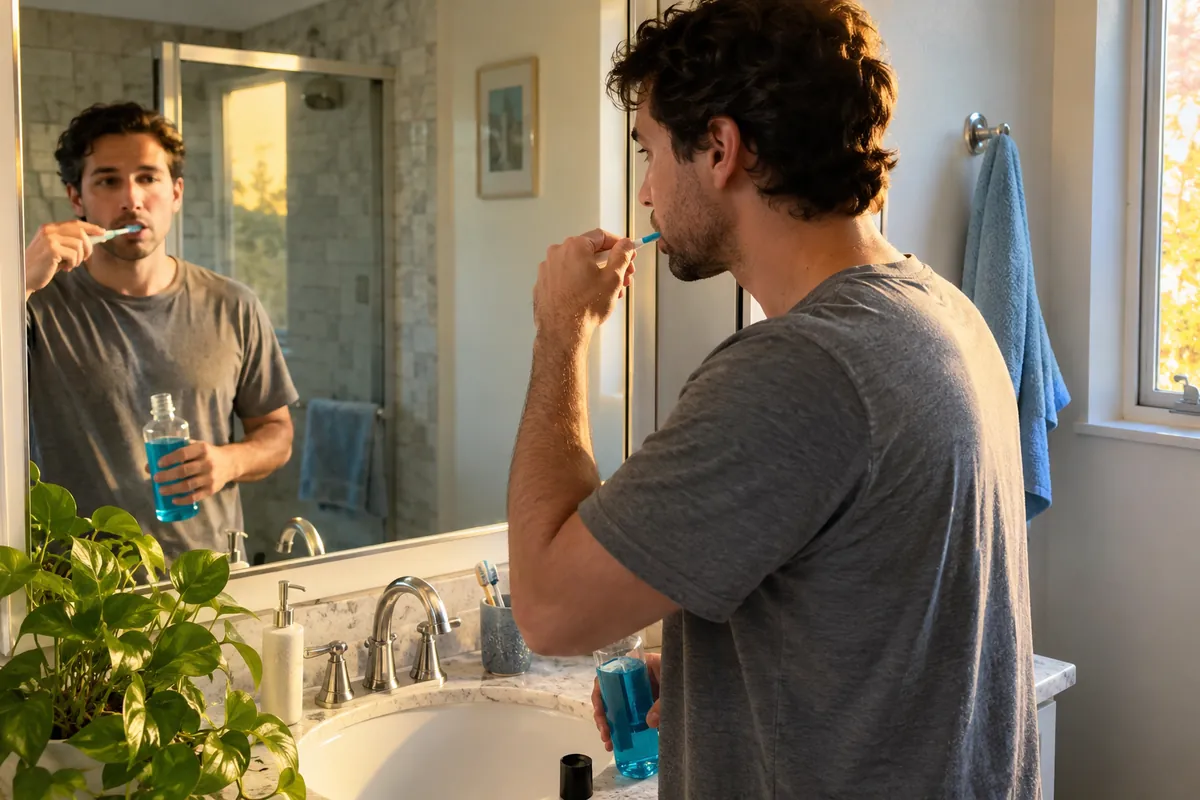
Success after laser gum therapy depends heavily on home care commitment. A personalized home care routine reduces the risk of disease recurrence substantially. Therefore, your dentist will provide specific instructions tailored to your situation.
Scaling and root planing removes plaque and tartar, but proper brushing prevents new accumulation. Use a soft-bristled toothbrush and gentle technique recommended by your dentist. Moreover, flossing removes plaque between teeth where brushes cannot reach.
Antimicrobial mouthwash may be prescribed after laser gum therapy. Furthermore, this product reduces bacterial regrowth during critical healing phases. Additionally, prescribed rinses help maintain treated areas in optimal condition.
Regular follow-up appointments monitor your healing progress. Your dentist will assess tissue healing and bone regeneration visually and through measurements. Consequently, any complications are caught early. Additionally, maintenance cleanings prevent bacteria from reestablishing infections.
Ready to learn more about laser gum therapy?
Omni Dental offers advanced laser therapy for periodontal disease treatment. Our specialists can discuss whether this minimally invasive treatment option is right for you. Call (847) 483-8833 now.
Laser Gum Therapy Questions Answered
Does Laser Gum Treatment Really Work?
Yes, laser gum treatment can be an effective option for periodontal disease when combined with professional care and good home habits. Furthermore, patients experience superior tissue regeneration and bone regrowth. Consequently, teeth that might otherwise be lost are preserved with laser therapy. Additionally, disease recurrence rates are lower when patients follow home care protocols.
How Painful Is Laser Gum Treatment?
Laser gum therapy is minimally invasive, meaning discomfort is minimal compared to traditional surgery. Most patients experience little to no pain during the procedure itself. Therefore, numbing medication keeps treated areas comfortable throughout. After treatment, mild soreness is common but manageable with over-the-counter pain relief. Moreover, many patients report being surprised by how comfortable the experience was compared to expected outcomes.
How Long Does Gum Lasering Last?
Laser therapy results can last for many years when patients maintain excellent home care and regular dental visits. However, periodontal disease can recur if plaque and tartar accumulate again. Therefore, your home care routine is critical to maintaining results long-term. Additionally, professional cleanings every 3-4 months help prevent disease recurrence.
How Long Do Gums Take to Heal After Laser?
Most patients experience initial healing within 2-3 weeks after laser gum therapy. During this time, avoid hard foods and follow home care instructions carefully. Furthermore, complete healing and tissue regeneration continue for several months. Bone regeneration takes the longest, sometimes requiring 6-12 months for full remodeling. Subsequently, your dentist will monitor healing progress through follow-up appointments to ensure optimal recovery.
Laser Therapy: The Modern Treatment Approach
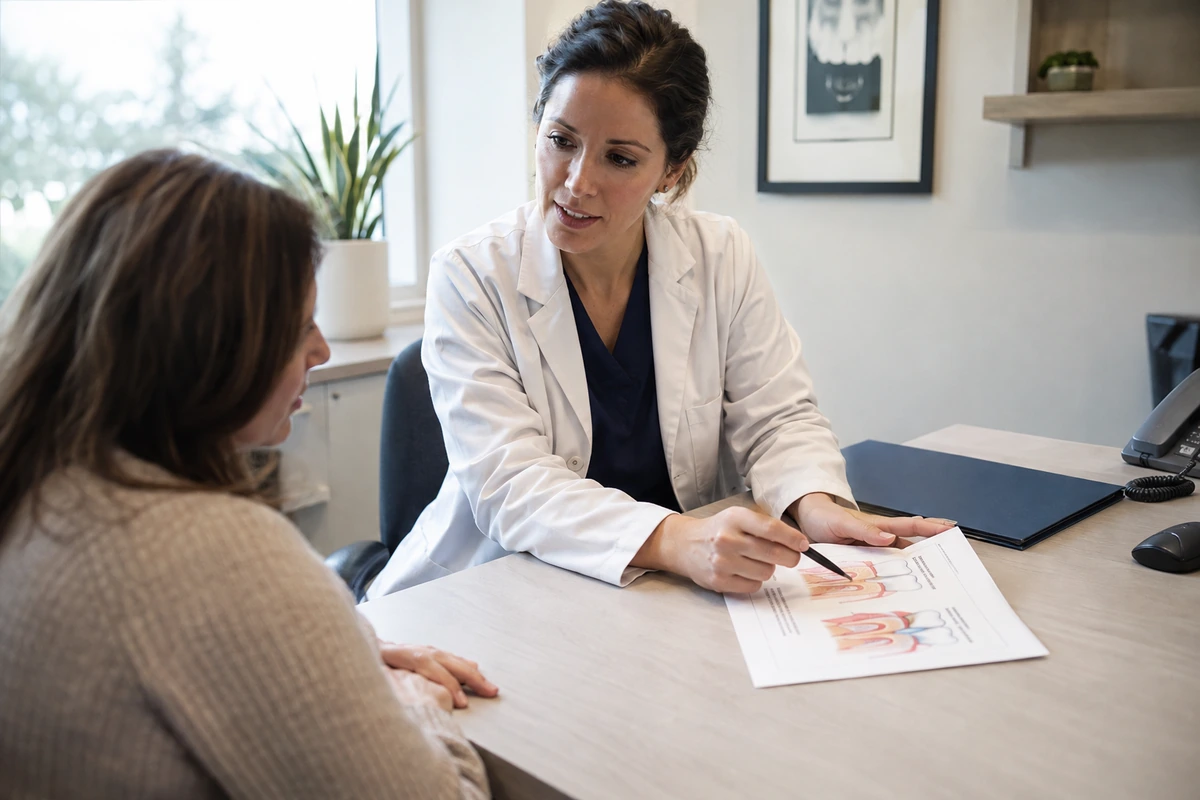
Laser gum therapy represents the evolution of periodontal treatment. Rather than choosing between accepting disease or undergoing invasive surgery, patients now have a minimally invasive treatment option that delivers superior results. Therefore, if you have been told you need gum surgery, ask your dentist about laser therapy alternatives.
The evidence supporting laser-assisted procedures continues to grow. Tissue regeneration outcomes exceed traditional methods consistently. Moreover, patient satisfaction with laser therapy remains exceptionally high. Additionally, faster healing and minimal downtime appeal to busy professionals and active individuals alike.
Your gums support your teeth and protect your bone structure. Treating gum disease promptly prevents tooth loss and serious health complications. All about laser gum therapy shows why this minimally invasive treatment option is worth discussing with your dentist if you have periodontal disease.

About the author
Dr. Bilus D PolesDDS,MAGD,DICOI, DIDIA
Founder and lead dentist of Omni Dental of Arlington Heights. Master of the Academy of General Dentistry and Board Certified Diplomate of the ICOI and IDIA. Illinois license #019.027365.