
Can You Get Implants with Gum Disease?
If you’re wondering, can you get implants if you have gum disease, you’re asking a very important question. Gum disease is a common condition that affects many people and can seriously impact your oral health. Since dental implants require healthy gums and strong bone for support, having gum disease raises concerns about whether implants are a viable option for you.
In this blog, we’ll explore how gum disease affects dental implants, the different stages of gum disease, what treatments can help you become a good candidate for implants, and how to maintain your oral health for long-lasting results.
What Is Gum Disease and How Does It Affect Dental Implants?
Gum disease, also known as periodontal disease, is a bacterial infection of the gums that can progress from mild inflammation to severe damage of the gums and bone. It is one of the leading causes of tooth loss worldwide.
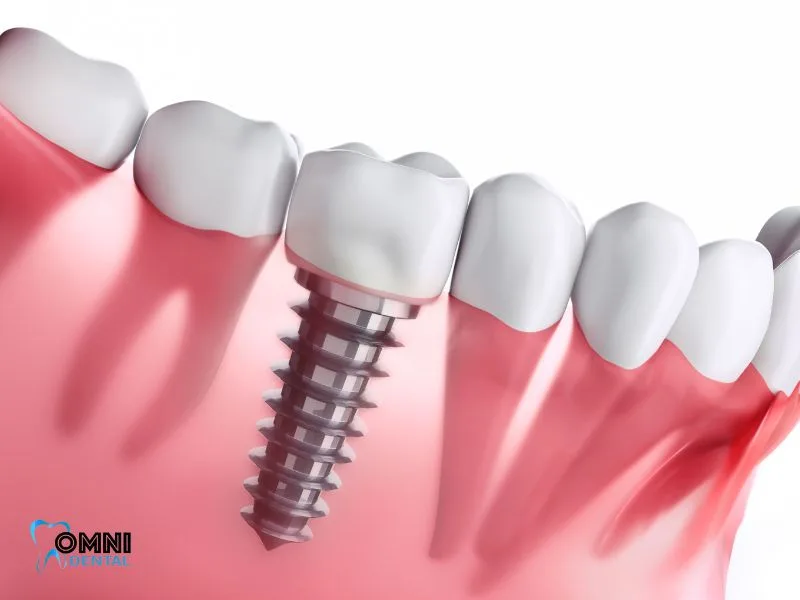
Dental implants are titanium posts surgically placed into your jawbone to replace missing teeth. For implants to be successful, they need healthy gums and sufficient bone density. Here’s how gum disease can impact your implants:
- Bone loss caused by untreated gum disease weakens the jawbone, making implant placement difficult or impossible without additional procedures.
- Receding gums expose the roots of surrounding teeth and create gaps where bacteria can thrive, increasing the risk of implant infection.
- Active gum disease leads to inflammation that can prevent the implant from integrating properly with the bone.
Different Stages of Gum Disease and Their Impact
Understanding the stage of gum disease you have is crucial in determining whether you can get implants:
Gingivitis (early stage): This mild form causes gum redness and bleeding but usually doesn’t affect bone. With proper treatment, you can still be a good candidate for implants.
Periodontitis (advanced stage): At this stage, gum infection causes bone loss, loose teeth, and receding gums. Implants may require additional treatments like a bone graft before placement.
Advanced periodontitis: Severe bone loss and active infection make implant placement risky until gum disease is fully treated.
What You Need to Know About Dental Implants and Gum Disease
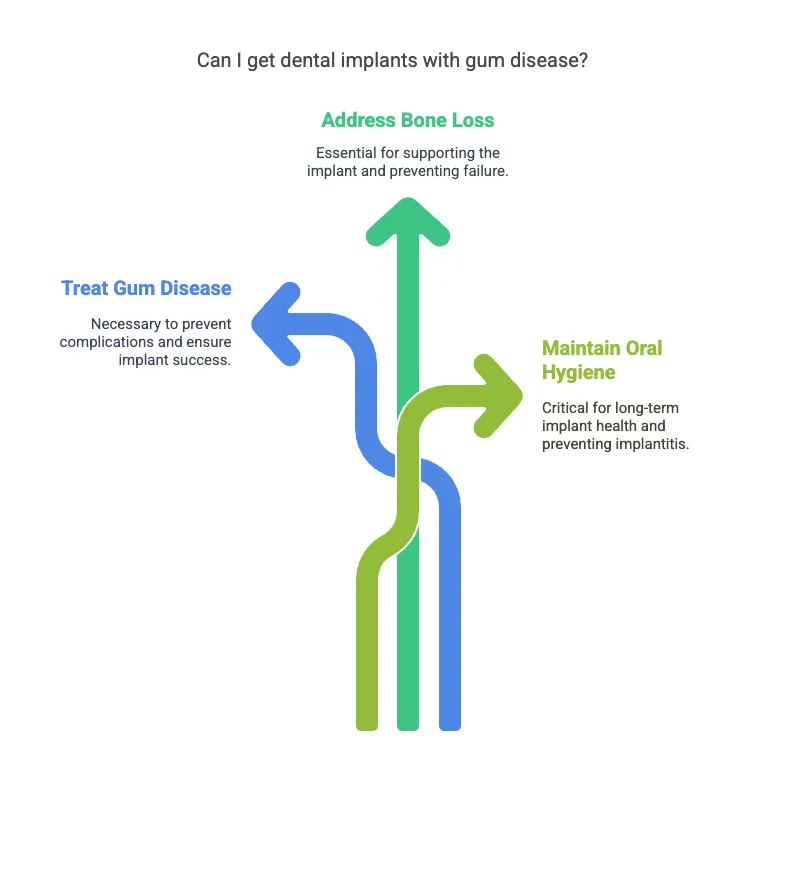
Why Is Good Oral Hygiene Important With Gum Disease and Implants?
Good oral hygiene helps prevent and control gum disease and protects your dental implants from infection and complications. Here are some key reasons:
- Prevents buildup of plaque and harmful bacteria around implants.
- Reduces the risk of bad breath caused by gum infections.
- Helps keep gums healthy, reducing receding gums and loose teeth.
- Maintains overall oral health, ensuring the longevity of implants and natural teeth.
Can Implants With Gum Disease Be Successful?
Yes, implants can be successful with gum disease — but only if the gum disease is treated first and excellent oral care is maintained. Ignoring gum disease and proceeding with implants can result in implant failure and further tooth loss.
If you or a loved one is considering implants but struggling with gum disease, consult a dental professional who can evaluate your condition and provide a tailored treatment plan.
Conclusion: Your Next Steps for Dental Implants and Gum Disease
So, Can you still receive implants if you suffer from gum disease? The answer depends on your individual oral health and how well your gum disease is managed. Early treatment of gum disease, proper bone care, and diligent oral hygiene can make you a great candidate for dental implants.
If you suspect you have gum disease or want to explore tooth replacement options like implants, don’t wait. Schedule a dental exam to assess your stage of gum disease and discuss the best treatment approach for a healthy, confident smile.
Contact Us Today!
Schedule your appointment at Omni Dental and ensure your family receives the best dental care in the NW Chicago suburbs. Together, let’s keep those young smiles bright and healthy!

About the author
Dr. Bilus D PolesDDS,MAGD,DICOI, DIDIA
Founder and lead dentist of Omni Dental of Arlington Heights. Master of the Academy of General Dentistry and Board Certified Diplomate of the ICOI and IDIA. Illinois license #019.027365.