
The difference between a dental cleaning and deep cleaning is depth: regular cleanings work above the gumline, and deep cleanings reach below it. A deep cleaning, called scaling and root planing, treats gum disease by removing tartar from the tooth roots. Healthy gums usually need a regular cleaning every six months.
Key Takeaways
- A regular cleaning removes plaque and tartar from tooth surfaces and along the gumline.
- A deep cleaning, or scaling and root planing, removes tartar below the gumline and smooths the roots.
- Bleeding, swollen, or receding gums and persistent bad breath can signal the need for a deep cleaning.
- Deep cleanings may take more than one visit, and local anesthetic can keep you comfortable.
- Most people with healthy gums need a regular cleaning every six months.
Estimated read: 4 min
Introduction
One of the most common questions people ask is, “Can I get dental implants without bone grafting?” Many individuals considering dental implants worry about whether they need a bone grafting procedure before getting their implants. This blog will explain when bone grafting is necessary, what it involves, and if it’s possible to get dental implants without bone grafting.

What is a Regular Dental Cleaning?
A regular dental cleaning, also known as a prophylaxis cleaning, is typically done during routine visits to your dentist. It’s a preventive measure aimed at removing plaque and tartar buildup from the surface of your teeth and along the gumline. This type of cleaning is generally performed on patients with healthy gums and minimal plaque buildup.
Key Components of a Regular Dental Cleaning:
| Step | Description |
|---|---|
| Brushing and Polishing | The dental hygienist uses specialized tools to remove plaque and tartar from your teeth, followed by polishing to make them smooth and shiny. |
| Flossing | After removing plaque, the hygienist flosses between your teeth to clean out any remaining debris. |
| Examination | The dentist examines your gums, teeth, and overall oral health, checking for signs of cavities or gum disease. |
| Recommendation | This cleaning is recommended for individuals who brush and floss regularly at home and show no signs of gum disease or serious dental issues. |
What is a Deep Cleaning?
A deep cleaning, also referred to as scaling and root planing, goes beyond the surface-level cleaning done in a regular dental cleaning. It’s designed for individuals who have gum disease or significant tartar buildup beneath the gumline. This procedure is often recommended when there is plaque buildup on the tooth roots or when there is early-stage gum disease (gingivitis).
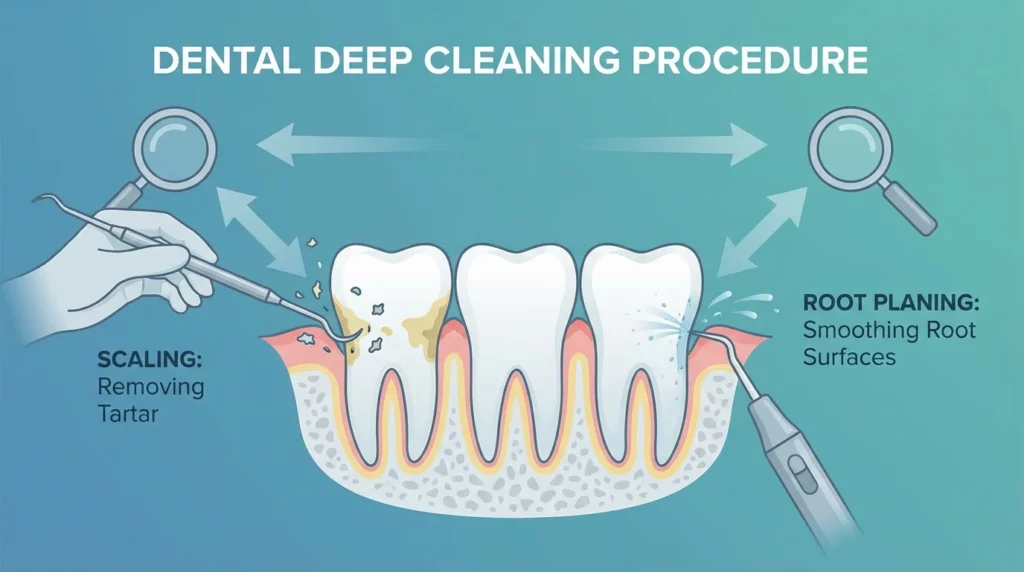
Key Components of a Deep Cleaning:
- Scaling: The dental professional will use special tools to remove tartar from both above and below the gumline, ensuring that the roots of your teeth are thoroughly cleaned.
- Root Planing: After scaling, the dentist will smooth the tooth roots to help your gums reattach to the teeth. This reduces the chances of future plaque buildup and improves the health of your gums.
A deep cleaning can be more time-consuming and may require multiple visits, especially if the disease has progressed to the point where extensive cleaning is needed.
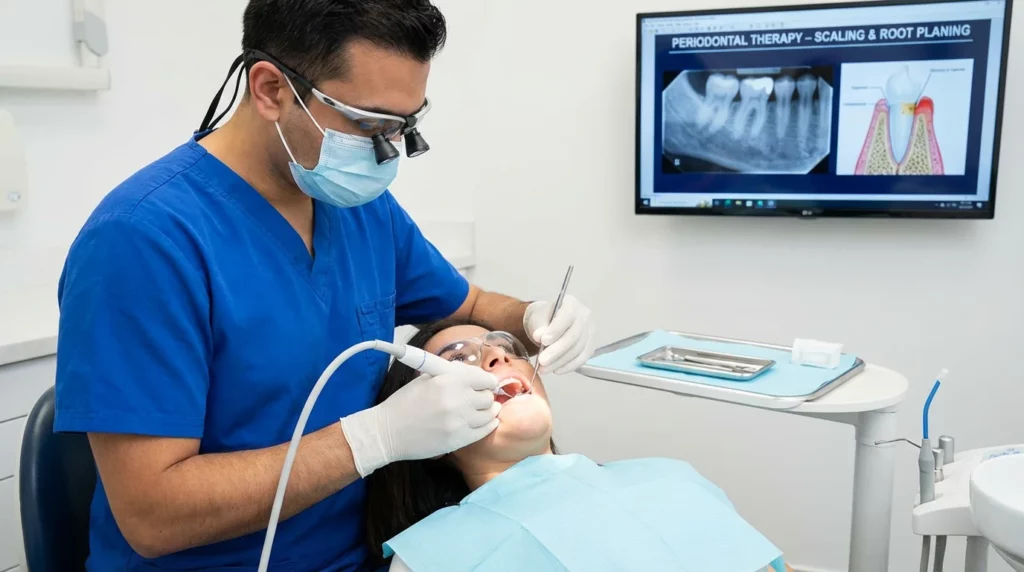
When Should You Get a Deep Cleaning?
While a regular dental cleaning is often enough for healthy patients, a deep cleaning is recommended for those who have symptoms of gum disease, such as:
- Bleeding gums when brushing or flossing.
- Swollen or red gums.
- Persistent bad breath.
- Gum recession, where gums appear to pull away from the teeth.
If your dentist recommends a deep cleaning, it’s typically due to tartar buildup beneath the gumline or signs of gum disease. If left untreated, these issues can lead to more severe gum disease or even tooth loss.
How Often Should You Get a Dental Cleaning or Deep Cleaning?
- Regular Cleanings: Most individuals should get a regular dental cleaning every six months to maintain optimal oral health. However, if you are prone to plaque buildup or have specific oral health conditions, your dentist may recommend more frequent visits.
- Deep Cleanings: If you’re dealing with gum disease, your dentist may recommend deep cleanings every 12 to 18 months. The frequency of these cleanings depends on the severity of your gum disease and how well you maintain your oral hygiene.
Conclusion: Which One Is Right for You?
The difference between a dental cleaning and deep cleaning largely depends on your current oral health. Regular cleanings are essential for maintaining a healthy smile, while deep cleanings are necessary for treating gum disease or preventing its progression. If you’re unsure about which cleaning procedure you need, consult with your dentist. They will be able to evaluate the condition of your teeth and gums and recommend the best course of action to keep your smile healthy for years to come.
FAQ
What is the difference between a dental cleaning and a deep cleaning?
A dental cleaning is a routine procedure that removes plaque and tartar from above the gumline. A deep cleaning, or scaling and root planing, is necessary when there’s tartar buildup below the gumline, typically due to gum disease.
Why do I need a deep cleaning?
If you have gum disease, tartar buildup below the gumline, or symptoms like bleeding gums, a deep cleaning may be required to remove the plaque and tartar, and to prevent the progression of gum disease.
Is deep cleaning painful?
A deep cleaning may cause some discomfort, especially if you have significant tartar buildup or gum disease. However, your dentist will ensure your comfort and may use a local anesthetic to numb the area if necessary.
Can I avoid needing a deep cleaning?
Yes, you can avoid needing a deep cleaning by maintaining regular dental checkups, brushing and flossing properly, and addressing any early signs of gum disease before it progresses.

About the author
Dr. Bilus D PolesDDS,MAGD,DICOI, DIDIA
Founder and lead dentist of Omni Dental of Arlington Heights. Master of the Academy of General Dentistry and Board Certified Diplomate of the ICOI and IDIA. Illinois license #019.027365.