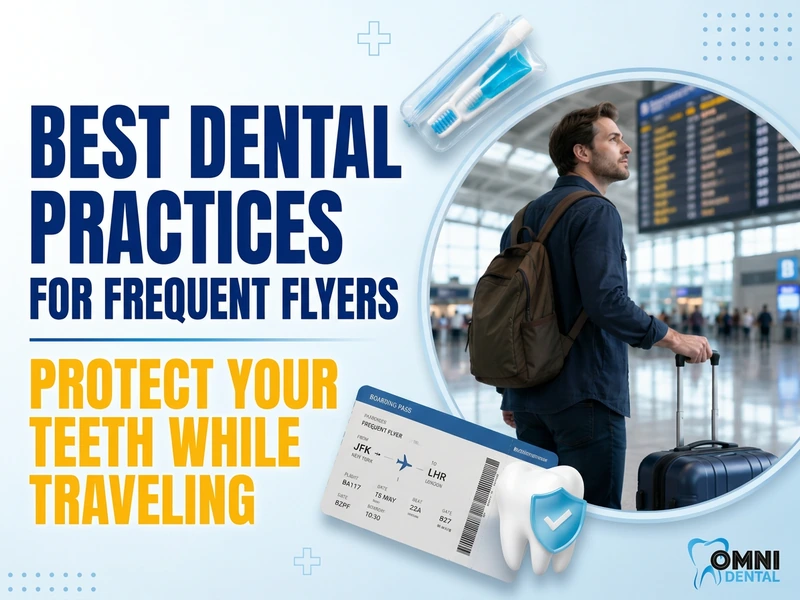
The best dental practices for frequent flyers start with a dental checkup 2-4 weeks before travel. Air trapped in cavities or damaged fillings can expand at altitude and cause tooth pain. In flight, drink water to offset dry cabin air, limit alcohol and caffeine, and keep a dental kit in your carry-on.
Key Takeaways
- The best dental practices for frequent flyers include pre-travel checkups and portable emergency kits tailored for airline travel requirements.
- Cabin altitude and humidity create barodontalgia and dry mouth requiring proactive prevention strategies adapted to your flight schedule.
- Simple travel habits, like keeping your normal brushing routine and limiting sugary snacks, help protect teeth during extended travel.
- International dental coverage and emergency preparedness ensure your smile stays protected whether you’re traveling domestically or abroad.
Read time: 6 min
How Flying Affects Your Oral Health
The best dental practices for frequent flyers start with understanding how flying stresses teeth and gums. Commercial aircraft operate at cabin pressures equivalent to 6,000-8,000 feet altitude. This pressure change, combined with humidity levels of only 10-20%, creates an environment hostile to dental health.
Air pockets trapped in existing cavities or damaged fillings expand and contract with altitude changes, causing barodontalgia or airplane tooth pain. Furthermore, cabin dehydration reduces saliva production, which normally protects teeth and gums by neutralizing acids. Without adequate saliva, cavity-causing bacteria thrive.
Frequent travelers also face time zone disruptions that affect oral care routines. In addition, these interruptions compound physical stress your mouth experiences at altitude. Therefore, dental professionals now recommend customized approaches specifically designed for your flying schedule and frequency.

Pre-Travel Preparation and Professional Care
Schedule a dental checkup 2-4 weeks before extended travel. Your dentist identifies vulnerable teeth, loose fillings, or early decay that altitude changes could worsen. During this visit, discuss your specific travel itinerary with your dental professionals so they understand your exposure level. Furthermore, your dentist can also provide personalized recommendations.
Ask your dentist about professional fluoride treatments tailored to your travel duration. Strong fluoride applications protect tooth enamel during high-stress travel periods. Additionally, if you wear temporary fillings or have recent crown work, inform your dentist about your plans. In fact, they can reinforce these restorations to withstand pressure changes.
Schedule cleanings strategically around major travel. A professional cleaning before departure removes bacteria that multiply during flights. After returning, book another cleaning to remove buildup accumulated while traveling. Consequently, this cycle maintains consistent oral health despite frequent disruptions.
Emergency Kits and International Dental Coverage
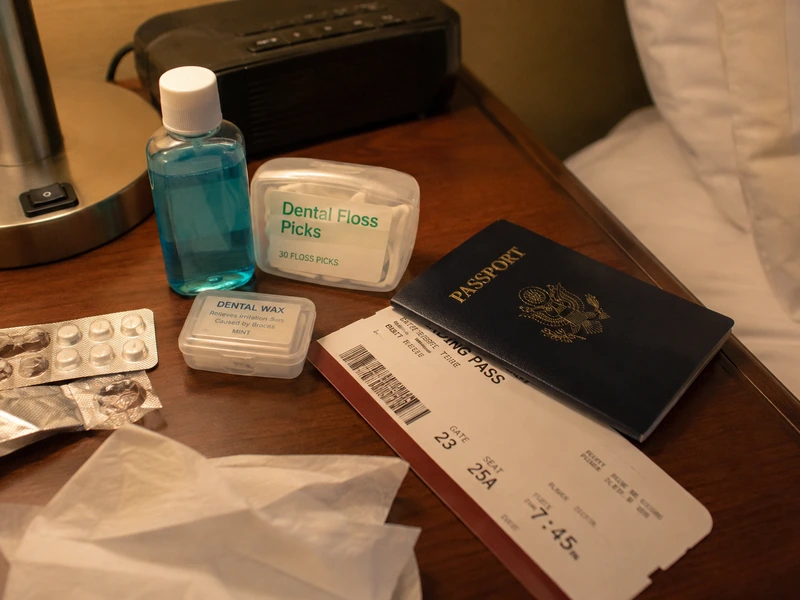
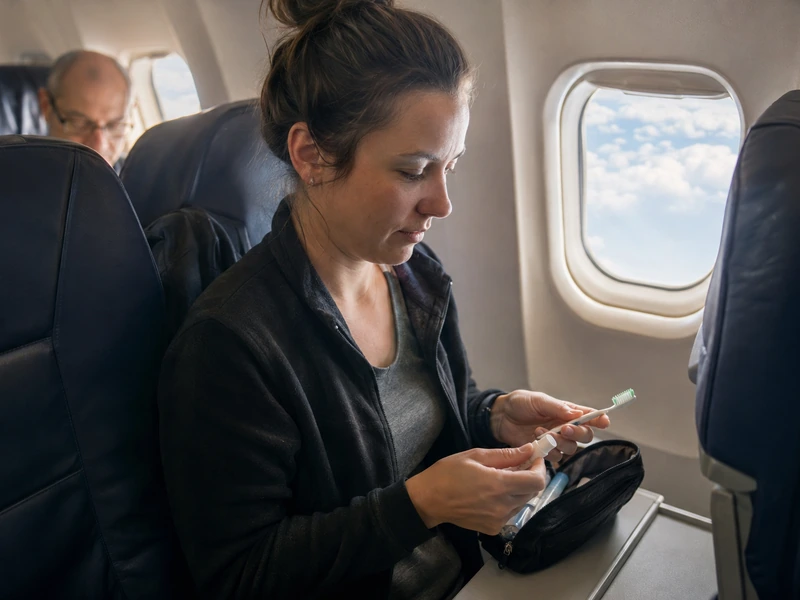
Portable dental care requires more than a standard toothbrush and toothpaste. Pack TSA-approved sizes of mouthwash and floss picks designed for travel convenience. Include dental wax for temporary filling repairs, pain relievers, and alcohol-free antimicrobial rinse for emergencies.
Keep your emergency kit in your carry-on, not your checked luggage, so you can reach it at any time. Research emergency dentist locations at your destination before departure. Knowing where to find an emergency dentist eliminates confusion if problems arise abroad.
Verify whether your dental coverage includes international dental procedures. Some plans only cover services within your home country. Understanding your plan’s foreign country benefits prevents shocking bills when you need emergency care overseas. Most importantly, check your policy details before traveling internationally.
Hydration, Nutrition, and Time Zone Management
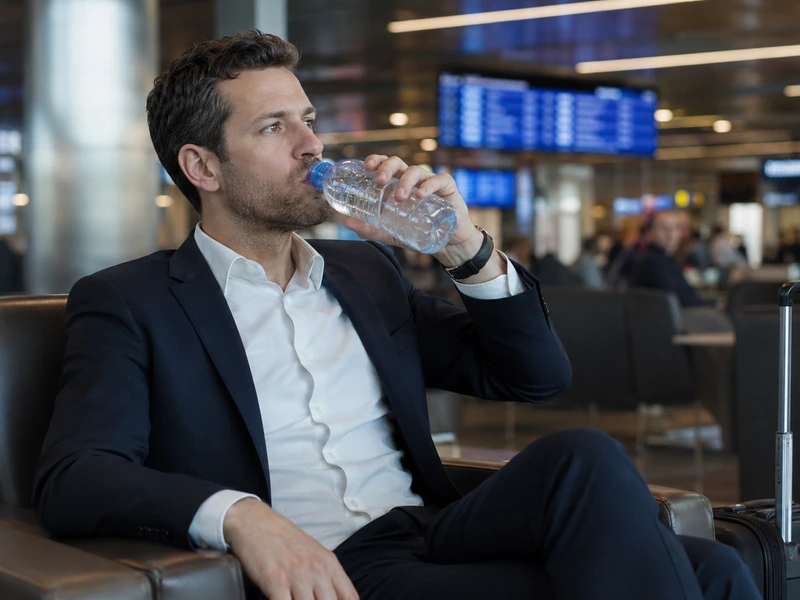
Cabin dehydration dramatically reduces saliva production because humidity levels are so extreme. Your saliva contains protective compounds that neutralize acids and wash away bacteria. Consequently, without adequate saliva flow, cavities develop faster. Drinking water consistently throughout your flight helps maintain this critical defense system. Avoid alcohol and caffeine, which accelerate dehydration.
Airport food options typically feature sugary snacks and acidic beverages. Pack tooth-friendly alternatives: nuts, cheese, and vegetables that increase saliva flow. Additionally, limit sugary drinks during flights because brushing immediately afterward is often impossible. Stay aware of how time zone changes affect your meal schedule; eating at unusual times disrupts your body’s rhythm and reduces saliva efficiency.
The 3-3-3, 50-40-30, 80/20, and 2-Year Rules
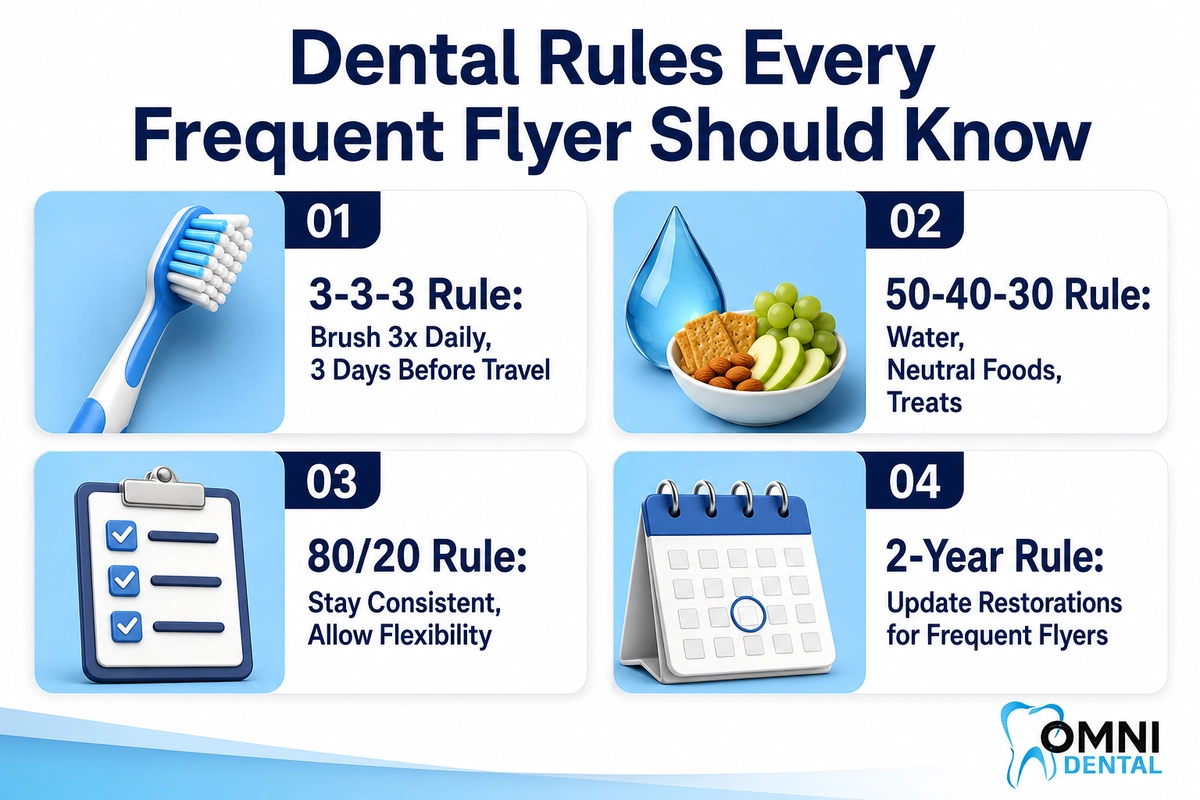
You may see the 3-3-3, 50-40-30, 80/20, and 2-year rules mentioned online. These are informal travel tips, not official dental guidelines, so treat them as reminders rather than strict rules.
The 3-3-3 rule is often described as paying extra attention to brushing in the days before a trip. The standard advice still applies: brush twice a day for two minutes with fluoride toothpaste, and keep that routine while you travel. Similarly, the 50-40-30 rule is a reminder to favor water and tooth-friendly foods on travel days and to keep acidic or sugary items to a minimum.
The 80/20 rule focuses on consistency: maintain your normal dental routine most of the time while allowing some flexibility for unavoidable disruptions. This realistic approach prevents guilt and abandonment of oral care.
Finally, the 2-year rule is sometimes used as a reminder to keep major dental work in good condition. Rather than replacing dental work on a fixed schedule, have your dentist check fillings and crowns at regular visits, especially before long trips.
Managing Emergencies and Post-Travel Recovery
Despite best efforts, dental emergencies happen to frequent flyers. If you experience severe pain, contact an emergency dentist immediately rather than waiting. For a lost filling, use your emergency kit’s temporary material and seek professional attention soon.
A knocked-out tooth can sometimes be saved if handled correctly within the first hour. Rinse it gently (without scrubbing), place it in milk or saline, and seek emergency care immediately. Research international dental standards in your destination; quality varies significantly between nations.
Your teeth experience stress during extended travel requiring recovery time. Schedule a professional cleaning within one week of returning. Your dentist can identify and address damage caused by altitude changes and dehydration. Additionally, intensify at-home oral hygiene during post-travel recovery. Furthermore, continue enhanced hydration for 3-5 days; your saliva production takes time to normalize after severe dehydration.
Modern Teledentistry Support for Traveling
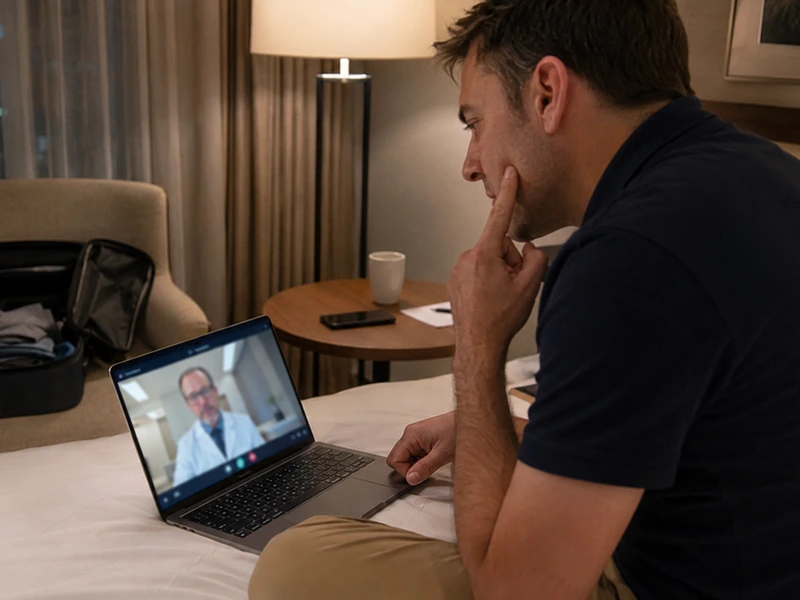
Modern dental practices now offer virtual consultations enabling you to connect with your dentist from airports or hotels. Video calls allow professional assessment of concerning symptoms before they become serious problems. Therefore, teledentistry works particularly well for frequent flyers because your dentist understands your travel history and vulnerabilities.
Many practices maintain networks of trusted international dental partners, enabling emergency referrals to quality care in foreign countries. This network support ensures you receive professional help regardless of where your travels take you. Consequently, having direct access to your dentist while traveling significantly reduces anxiety about dental emergencies.
Frequently Asked Questions About Frequent Flyer Dental Care
What is the 3-3-3 rule in dentistry?
The 3-3-3 rule is an informal travel tip, not an official dental guideline. It is usually a reminder to pay extra attention to brushing before a trip. The standard advice is to brush twice a day for two minutes with fluoride toothpaste and keep that routine while traveling.
What is the 50-40-30 rule in dentistry?
The 50-40-30 rule is an informal travel tip, not an official dental guideline. It is a reminder to favor water and tooth-friendly foods on travel days and keep acidic or sugary items to a minimum to protect tooth enamel.
What is the 80/20 rule in dentistry?
The 80/20 rule suggests maintaining your normal dental routine most of the time while allowing some flexibility for travel disruptions. This realistic approach prevents burnout and abandonment of oral care routines when travel makes perfection impossible.
What is the 2 year rule for dentists?
The 2-year rule is an informal reminder to keep major dental work in good condition, not an official guideline. Rather than replacing restorations on a fixed schedule, have your dentist check fillings and crowns at regular visits, especially before long trips.
Protect Your Smile Across Every Flight
The best dental practices for frequent flyers combine professional preparation with consistent at-home care. Start with a pre-travel checkup that addresses your specific vulnerabilities. Then maintain hydration, nutrition, and oral hygiene routines adapted for altitude and time zone changes.
Understanding how flying affects your teeth empowers you to travel with confidence. From cabin pressure effects to early detection of decay before it becomes serious, proactive dental care protects your smile.
Omni Dental in Arlington Heights helps frequent flyers prepare for travel. Our team understands the demands your teeth face when crossing time zones regularly. Whether you need pre-flight checkups, emergency support, or post-travel recovery care, we’re prepared to keep your smile healthy regardless of how many miles you log.

About the author
Dr. Bilus D PolesDDS,MAGD,DICOI, DIDIA
Founder and lead dentist of Omni Dental of Arlington Heights. Master of the Academy of General Dentistry and Board Certified Diplomate of the ICOI and IDIA. Illinois license #019.027365.