Understanding the Factors that Affect Implant Outcomes
Studies have shown that dental implants have a high success rate, with approximately 95% success in the lower jaw and 90% in the upper jaw after five years. However, success rates can vary depending on a variety of factors. In this article, we’ll explore some of the critical factors that impact the success of dental implants and what you can do to improve your chances of successful implant surgery.
The Impact of Bone Density on Dental Implant Success
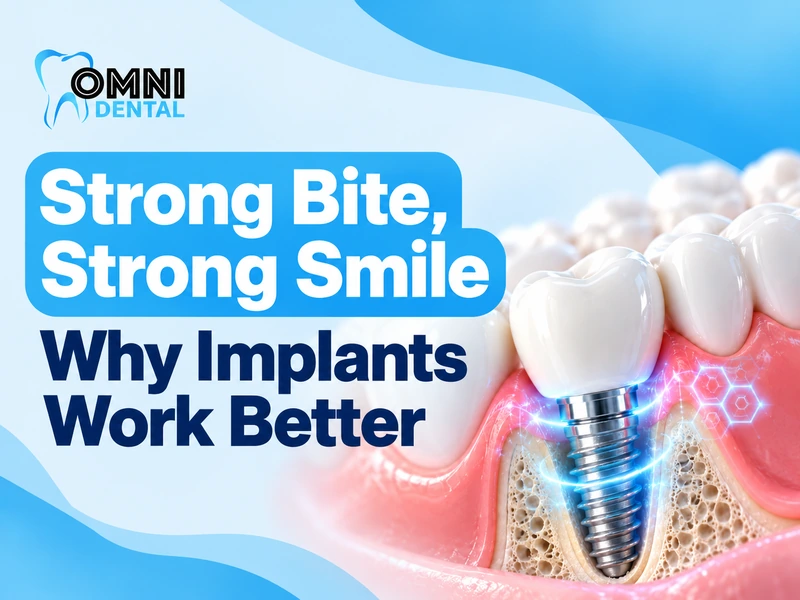
One of the most critical factors affecting dental implant success is bone density. The density and bone quality in the jaw plays a significant role in determining whether an implant will succeed. Studies have shown that patients with higher bone density have better implant outcomes than those with lower bone density. This is because implants need adequate bone density to provide a stable foundation for the implant post.
Understanding Bone Grafting and Its Role in Dental Implant Procedures
If you have low bone density, your dentist may recommend a bone graft to improve your chances of a successful dental implant. Bone grafting involves taking bone tissue from another part of the body or using synthetic bone material and placing it in the jawbone where the implant will be placed. This procedure helps to increase bone density in the area and provides a more stable foundation for the implant post.
The Importance of CT Scans in Assessing Bone Density for Dental Implants
Before the dental implant procedure, your dentist may use a CT scan to assess the quality and density of your bone. This imaging technique can provide a detailed 3D image of your jawbone and help your dentist determine the best course of action for your implant surgery. By using a CT scan, your dentist can identify any potential issues that may impact the success of your implant, such as bone loss or the type of bone in the area.
The Role of Gum Health in Dental Implant Success
Proper oral hygiene is essential for maintaining healthy gums and successful dental implants. Poor oral hygiene can lead to gum disease, increasing the risk of implant failure. Studies have shown that patients with healthy gums have a higher success rate of dental implants than those with gum disease. It’s essential to brush and floss regularly and schedule regular dental cleanings to maintain healthy gums and prevent peri-implantitis (inflammation of the gum tissue around the implant post).
Proper Oral Hygiene for Maintaining Healthy Gums and Dental Implants
Practicing oral hygiene is essential to maintain healthy gums and dental implants. This includes brushing twice daily with fluoride toothpaste, flossing daily, and using an antibacterial mouthwash. You should also schedule regular dental cleanings with your dentist to remove any plaque or tartar buildup and monitor the health of your gums.
Dental Implant Success Rates for Smokers
Smoking can have a significant impact on the success rate of dental implants. Studies have shown that smokers risk implant failure more than non-smokers. Smoking can reduce blood flow to the gums, slowing the healing process and increasing the risk of infection. If you’re a smoker, quitting before and after the implant surgery is essential to improve your chances of success.
The Impact of Smoking on Dental Implant Success
Smoking can cause bone loss and reduce bone density in the jaw, making it more challenging for the implant to integrate with the bone. It can also increase the risk of gum disease and peri-implantitis. Smokers may need additional treatment to improve their bone density before the implant surgery to increase their chances of success.
Strategies for Smoking Cessation to Improve Dental Implant Outcomes
If you’re a smoker, quitting smoking is the best thing you can do to improve your chances of a successful dental implant surgery. However, quitting smoking can be challenging, and many smokers may need additional support. Your dentist or doctor can provide resources and strategies to help you quit smoking, such as nicotine replacement therapy, counseling, or support groups.
It’s important to note that dental implant success is not just about short-term outcomes. Long-term success is also crucial; dental implants require proper care and maintenance to ensure longevity. This includes regular check-ups with your dentist, good oral hygiene, and avoiding habits that can damage the implant, such as chewing on complex objects.

Importance of Proper Care and Maintenance for Long-Term Dental Implant Success
In conclusion, dental implants have a high success rate, but their success is dependent on several factors, including bone density, gum health, and proper oral hygiene. If you’re considering dental implant surgery, working with an experienced dentist and following their recommendations for the best chance of success is essential. By taking good care of your implants and practicing proper oral hygiene, you can enjoy the benefits of a natural-looking and functional replacement for your natural teeth.

About the author
Dr. Bilus D PolesDDS,MAGD,DICOI, DIDIA
Founder and lead dentist of Omni Dental of Arlington Heights. Master of the Academy of General Dentistry and Board Certified Diplomate of the ICOI and IDIA. Illinois license #019.027365.