Yes, people with sensitive teeth can whiten safely when the treatment is planned around their sensitivity. For anyone asking “is teeth whitening safe for sensitive teeth,” professional whitening offers the most protection. Dentists shield the gums and can apply potassium nitrate, and using desensitizing toothpaste for two weeks beforehand also helps.
Key Takeaways
- Teeth whitening is safe for sensitive teeth when done correctly with the right approach.
- Professional whitening uses higher active ingredient concentrations than at-home options, applied carefully and briefly by a dentist.
- Potassium nitrate and desensitizing toothpaste can protect sensitive teeth during whitening.
- At-home whitening strips and gels carry higher sensitivity risks than professional treatments.
Read time: 6 min
Sensitive teeth should not prevent you from whitening your teeth, but understanding how whitening treatments work helps you choose the best approach.

Understanding Tooth Sensitivity and Whitening
Tooth sensitivity occurs when dentin, the softer layer beneath tooth enamel, becomes exposed. Furthermore, whitening agents penetrate tooth structure, which can temporarily increase sensitivity. However, understanding this process helps you make informed decisions about teeth whitening products and whitening options.
Active ingredients in whitening treatments vary significantly. Professional treatments typically use hydrogen peroxide or carbamide peroxide at controlled concentrations. Meanwhile, over-the-counter whitening gels and whitening strips contain lower active ingredient levels. Additionally, whitening toothpaste contains milder agents designed for daily use.
Professional Whitening vs. At-Home Options
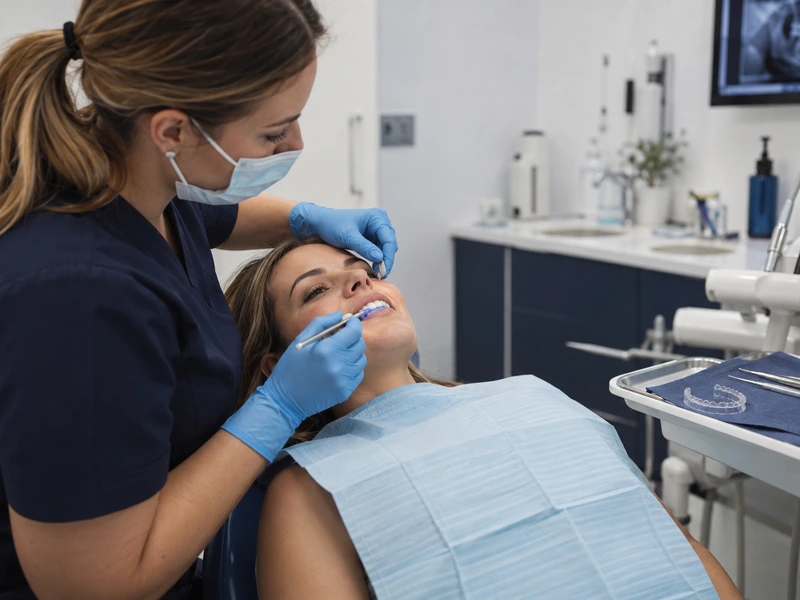
Professional whitening treatment remains the safest choice for sensitive teeth. Dentists monitor the process closely and use concentrated formulas that work efficiently. Consequently, your teeth require fewer applications, reducing overall sensitivity risk.
At-home whitening products present different considerations. Whitening strips may cover gum tissue, causing irritation. Whitening gels sometimes leak from trays, exposing sensitive areas. Therefore, professional supervision provides protection that at-home systems cannot match.
Moreover, professionals apply protective barriers before treatment begins. This approach keeps whitening agents away from sensitive gum lines. Additionally, dentists recommend desensitizing treatments before and after whitening procedures.
The Role of Active Ingredients
Understanding whitening agents helps you choose safe teeth whitening products. Hydrogen peroxide breaks down stains through oxidation: this is the faster approach. Conversely, carbamide peroxide works more gradually, making it suitable for sensitive teeth.
Potassium nitrate deserves special mention because this ingredient specifically blocks tooth sensitivity. Consequently, many professional whitening systems include potassium nitrate to minimize discomfort. Additionally, desensitizing toothpaste for sensitive teeth contains potassium nitrate for daily protection.
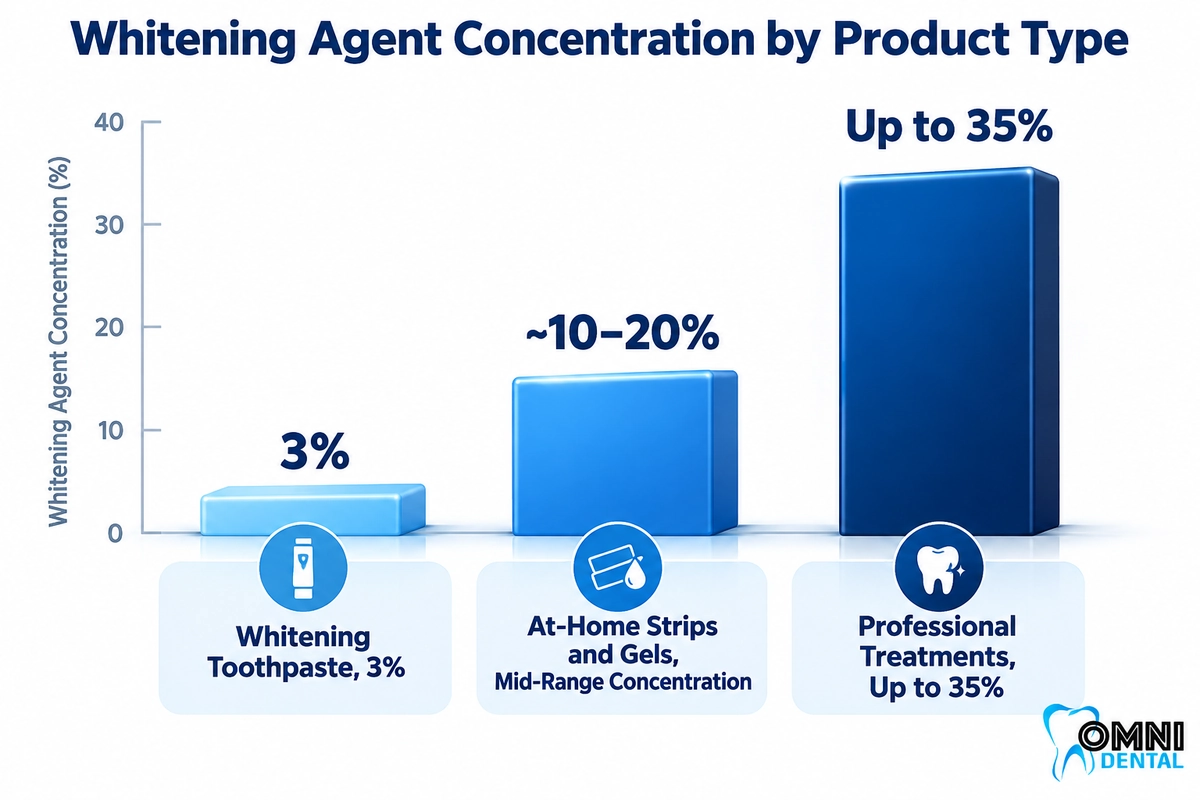
Active ingredients in whitening treatments range from 3% (whitening toothpaste) to 35% (professional systems). Therefore, professional whitening remains safer for sensitive teeth despite higher concentrations, because dentists apply these treatments carefully and briefly.
Concerned about tooth sensitivity during whitening?
Professional treatment protects your smile. Call (847) 483-8833 for a consultation with our dental team today.
Protecting Tooth Enamel During Whitening
Tooth enamel protection remains paramount when you have sensitive teeth. Professional dentists apply protective coatings before whitening begins. Subsequently, your tooth enamel stays protected while whitening agents work on stains.
Whitening toothpaste offers gentler daily care for tooth enamel. Furthermore, these products contain lower concentrations of whitening agents mixed with desensitizing compounds. Therefore, using whitening toothpaste for sensitive teeth provides gradual brightening without aggressive treatment.
Between professional treatments, avoid acidic foods and beverages that weaken tooth enamel. Similarly, don’t use whitening strips excessively or leave them on longer than recommended. Additionally, brush gently with soft-bristled toothbrushes to avoid enamel erosion.
Addressing Gum Disease Concerns
Gum disease complicates tooth whitening because inflamed gums react strongly to whitening agents. Therefore, your dentist must treat gum disease before starting whitening treatment. Moreover, untreated gum disease causes tooth decay and increased sensitivity, making whitening unsafe.
Professional dentists screen for gum disease during consultations. Consequently, they can recommend periodontal treatment if necessary. Subsequently, once your gums heal, you can safely proceed with whitening treatment.
Safe Whitening Strategies for Sensitive Teeth
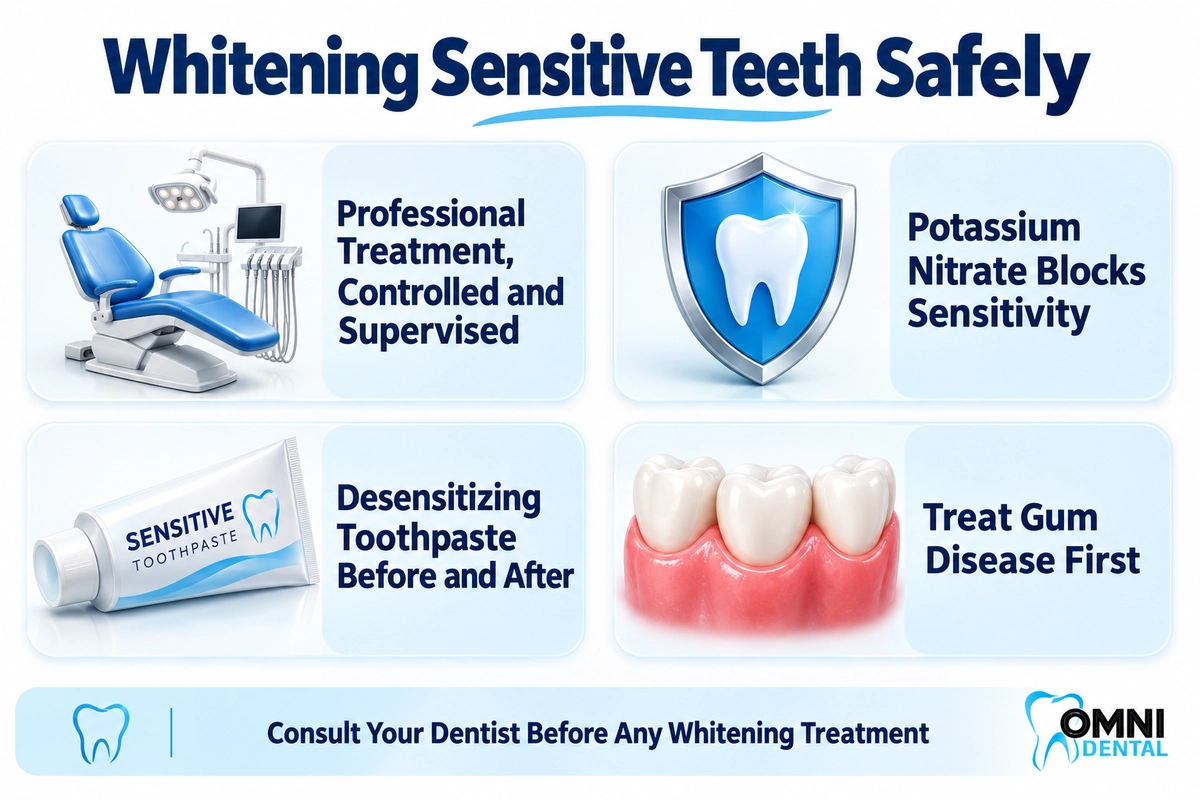
Several approaches make teeth whitening safe for sensitive teeth. First, schedule a professional consultation before any whitening treatment. Additionally, use desensitizing toothpaste for two weeks before treatment begins.
During professional whitening, inform your dentist about sensitivity levels. Furthermore, ask about potassium nitrate application beforehand. Additionally, request shorter treatment sessions if you experience discomfort.
After whitening, continue using desensitizing toothpaste for sensitive teeth. Moreover, avoid whitening products for at least one week. Subsequently, space out future whitening treatments to allow teeth to recover.
Ready to whiten your teeth safely?
Omni Dental offers professional whitening treatments designed for sensitive teeth. Schedule your appointment at (847) 483-8833 to learn which whitening options suit your needs.
Is Teeth Whitening Safe: Common Questions Answered
Is Teeth Whitening Good for Sensitive Teeth?
Professional whitening treatment benefits sensitive teeth when proper precautions are taken. Dentists use protective measures, potassium nitrate, and desensitizing treatments. Therefore, professional whitening remains the best option for teeth whitening safe for sensitive teeth. At-home whitening products offer less protection and control.
Is Tooth Whitening Bad for Sensitive Teeth?
Whitening itself doesn’t typically cause lasting sensitivity. However, improper technique or excessive at-home use can increase temporary sensitivity. Therefore, professional supervision helps keep your teeth healthy. Additionally, desensitizing toothpaste for sensitive teeth helps reduce discomfort during and after treatment.
Can Sensitive Teeth Be Professionally Whitened?
Yes, sensitive teeth respond well to professional whitening treatment. Dentists modify techniques for sensitive teeth by adjusting active ingredient concentrations or application time. Furthermore, they apply protective barriers and desensitizing compounds. Subsequently, most patients with tooth sensitivity can safely whiten their teeth professionally.
Why Do Dentists Say Not to Use Whitening Toothpaste?
Dentists don’t discourage all whitening toothpaste, but they recommend caution. Some over-the-counter whitening toothpaste contains abrasive ingredients that damage tooth enamel. Therefore, choose whitening toothpaste for sensitive teeth specifically formulated with gentler agents. Additionally, professional recommendations ensure you select products safe for your tooth enamel and gum health.

Choosing Your Whitening Path Forward
Deciding between whitening options requires understanding your tooth sensitivity level. Professional whitening remains the gold standard for sensitive teeth because dentists control every variable. Moreover, potassium nitrate application and protective coatings minimize discomfort.
If you prefer at-home solutions, use desensitizing toothpaste for sensitive teeth for two weeks beforehand. Additionally, select whitening products specifically designed for sensitive teeth. Ultimately, consulting your dentist before any whitening treatment ensures your safety and smile.
Tooth sensitivity should not prevent you from achieving a brighter smile. Therefore, discuss your concerns with your dentist and explore teeth whitening safe options. Professional guidance transforms whitening from a risky concern into a confident experience.

About the author
Dr. Bilus D PolesDDS,MAGD,DICOI, DIDIA
Founder and lead dentist of Omni Dental of Arlington Heights. Master of the Academy of General Dentistry and Board Certified Diplomate of the ICOI and IDIA. Illinois license #019.027365.